The Newsom redistricting threat has reignited debate over California’s political map-drawing process. Tensions between California and Texas are rising as both states race toward redistricting ahead of the 2026 midterms. Jeanne Raya, a Democrat and former chair of California’s first independent redistricting commission, has voiced strong opposition to the governor’s proposal.
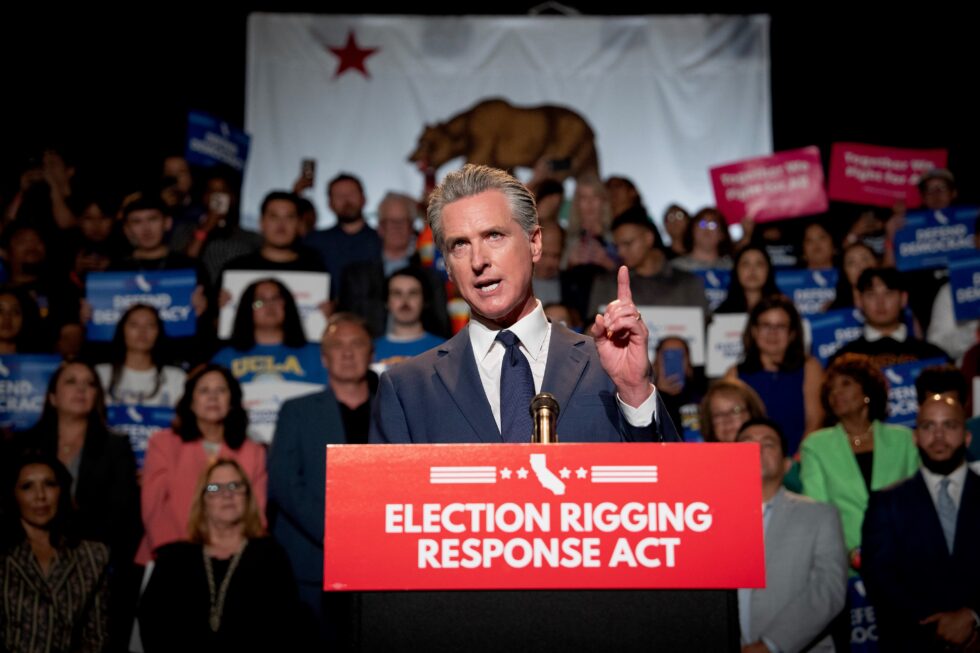
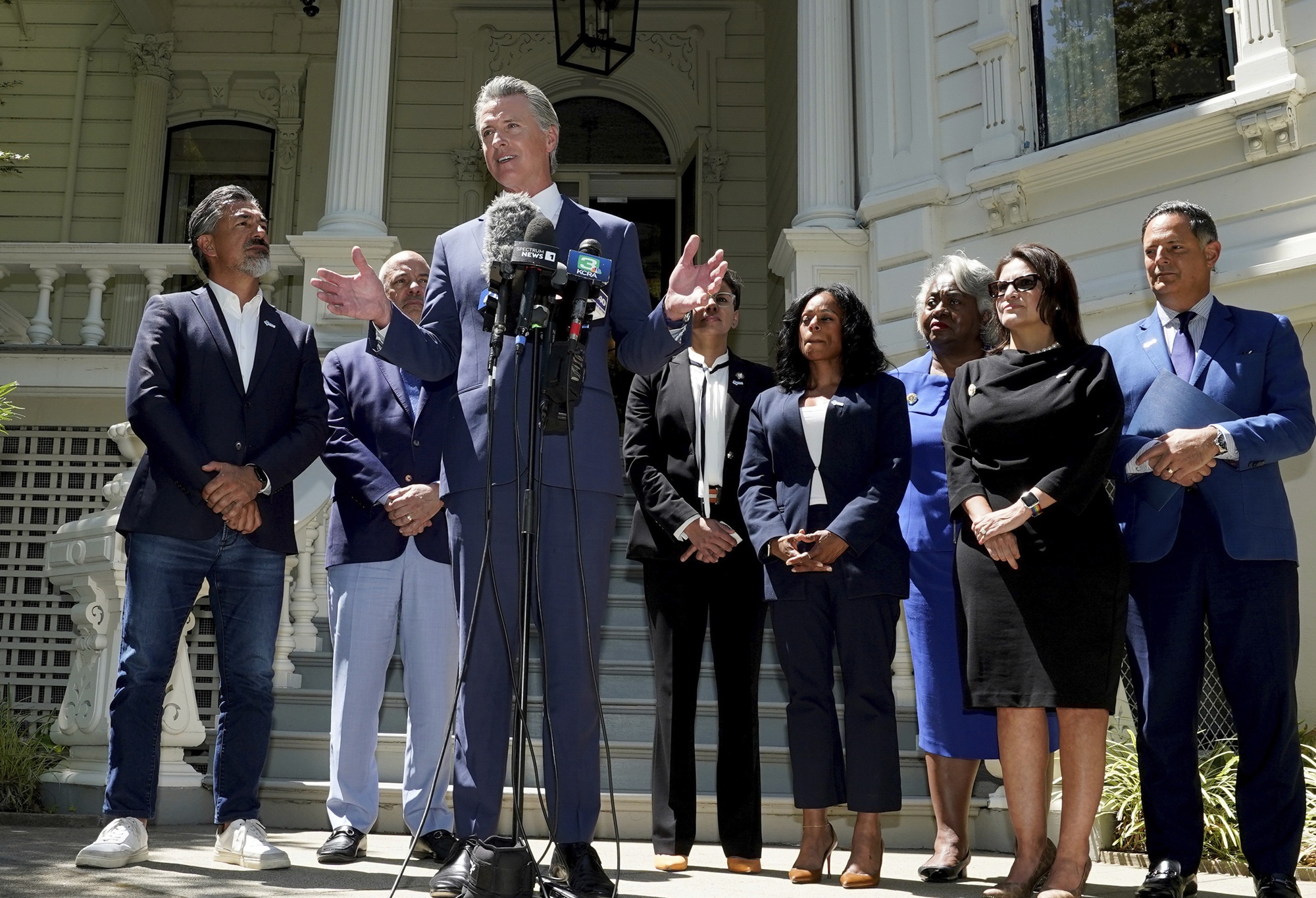
Governor Gavin Newsom recently hinted that California might redraw its congressional maps in response to Texas’s GOP-led redistricting efforts. He stated that if Texas acts, California will not stay silent. Instead, the state will take bold steps to protect democratic principles. Although his position appeals to some, it has also alarmed reform advocates.
Raya helped launch the state’s citizen-led commission in 2010. She believes Newsom’s plan undermines the public’s trust in fair, independent map-drawing. According to her, California voters approved these reforms to take the process out of politicians’ hands. In her view, retaliating against Texas threatens the integrity of that decision.
The maps created by Raya’s commission led to more equitable representation. The changes included new Latino-majority districts in the Central Valley and a highly diverse congressional district in the Bay Area. These shifts gave historically ignored communities a stronger political voice.
Raya emphasized that the commission used population data and followed federal voting rights laws. The maps were not designed to protect incumbents or benefit parties. Instead, the goal was transparency and fairness. That’s why she sees Newsom’s proposal as a step backward.
The governor has floated several ways to act. He may ask the Legislature to place a measure on the ballot or pursue new laws allowing revised maps before 2030. Yet these options face logistical and financial hurdles. Raya pointed out that a rushed special election would cost millions and likely lack transparency.
She also questioned whether voters would support such a move. Polls show continued trust in the independent commission. Newsom may have to offer concessions, such as a temporary pause, rather than an overhaul. Raya believes anything less than full transparency violates the original reform spirit.
Opposition isn’t coming only from the left. Republican Congressman Kevin Kiley criticized Newsom’s plan as well. He warned that redrawing lines outside the normal cycle risks harming public faith in elections. He plans to introduce a bill that blocks any early redistricting before the 2030 Census.
Although Kiley’s views reflect conservative priorities, Raya agrees with the core concern. She stressed that redistricting should not become a tool for revenge. In her opinion, using it as a response to another state’s actions erodes democratic norms. Californians, she said, want fair processes—not political retaliation.
The Newsom redistricting threat puts California’s reform legacy at risk. While the intention may be to counteract partisan moves elsewhere, many fear it opens the door to the very gerrymandering the state tried to eliminate. Raya, along with other critics, hopes the state remembers its commitment to fairness and transparency.