The US House of Representatives on Tuesday failed to pass key aviation safety bill legislation after the Pentagon raised last-minute objections. The vote occurred despite pleas from lawmakers and relatives of those killed in the worst US aviation disaster since 2001. The House voted 264-133 in favor of the ROTOR Act, which the Senate passed unanimously in December.
The legislation would require aircraft operators to equip fleets with the Automatic Dependent Surveillance-Broadcast system, known as ADS-B, by the end of 2031. However, under fast-track rules designed to expedite legislation, the bill needed a two-thirds majority to pass. It fell one vote short of that threshold. One Democrat joined 132 Republicans in voting against the aviation safety bill.
Pentagon Withdraws Support
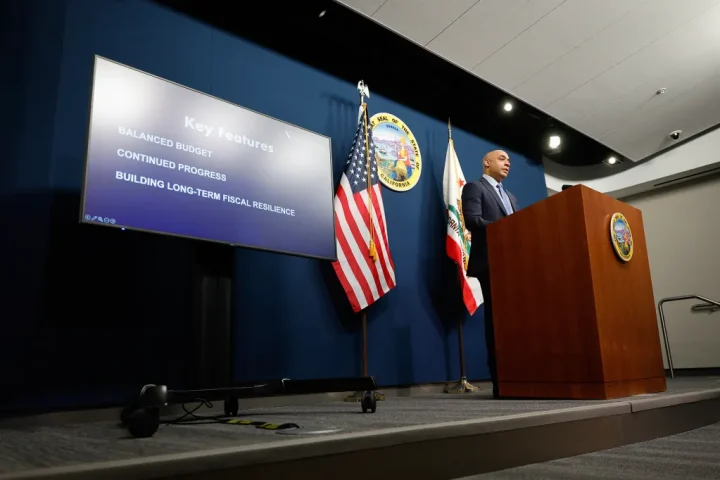
In December, the Pentagon said it supported the legislation sponsored by Senate Commerce Committee Chair Ted Cruz and the panel’s top Democrat, Maria Cantwell. However, in a statement released Monday, the Pentagon reversed its position. The department said the bill could create significant unresolved budgetary burdens and operational security risks affecting national defense activities.
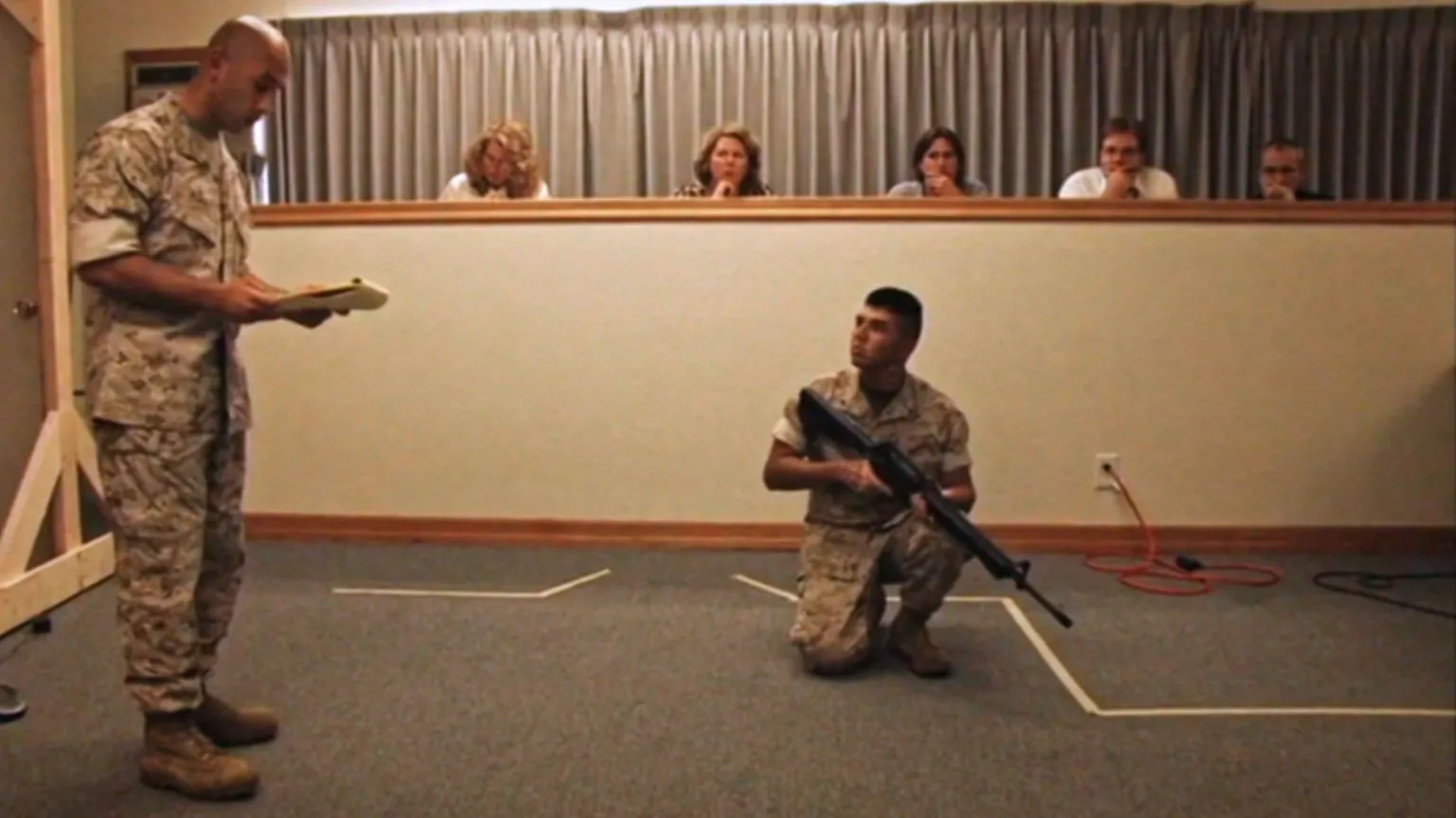
The act would require the military to use ADS-B on routine training flights but not on sensitive military missions. This distinction aimed to address national security concerns while improving safety in congested civilian airspace. The Pentagon’s sudden opposition caught supporters off guard and contributed to the bill’s narrow defeat.
Cruz told Reuters he was disappointed by the vote but expressed confidence that ROTOR would ultimately pass and be signed into law. His optimism reflects the broad bipartisan support the legislation previously enjoyed. The Senate’s unanimous December vote demonstrated overwhelming consensus that now appears fractured.
Safety System Would Have Prevented Crash
National Transportation Safety Board Chair Jennifer Homendy stated definitively that ADS-B would have prevented the 2025 collision. She noted the agency has called for mandating the system for more than 20 years. The NTSB analysis showed ADS-B could have alerted the passenger plane pilot 59 seconds before the collision. The helicopter crew would have received warning 48 seconds before impact.
“How many more people need to die for us to decide that action needs to be taken?” Homendy asked reporters on Tuesday. After the vote, she described the outcome as despicable. Her emotional response reflects frustration with political obstacles delaying proven safety measures.
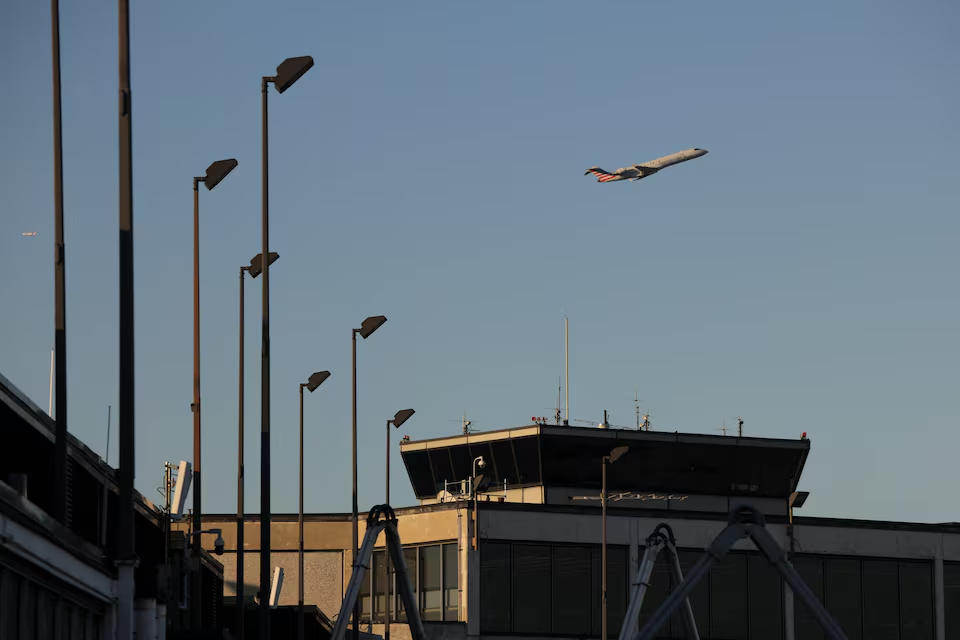
The legislation followed the January 2025 disaster when an American Airlines regional jet and an Army Black Hawk helicopter collided in crowded airspace over the nation’s capital. The crash killed 67 people and exposed gaps in aviation safety protocols. The aviation safety bill represented Congress’s primary response to the tragedy.
Family Reactions and Ongoing Risk
The families of the crash victims issued a statement expressing devastation at the vote’s outcome. They said the bill was not defeated on the merits but by misleading technical claims rejected by the NTSB and the Pentagon’s reversal. “The same risk that killed 67 people 13 months ago is still in the sky tonight,” they stated.
Audrey Patel, whose husband died in the crash while she was pregnant, spoke at a Capitol Hill press conference. She noted other recent near-collisions that demonstrate continuing danger. “We know why this happened and how to prevent it,” Patel said. Her presence highlighted the human stakes behind legislative maneuvering.
The failed aviation safety bill leaves the identified risk unaddressed. Aircraft continue operating in congested airspace without the technology that investigators say would have prevented disaster. Families must now advocate through another legislative cycle.
Alternative Legislation Proposed
House Transportation Committee Chair Sam Graves announced his panel would take up a rival aviation safety bill as soon as next week. Graves’ bipartisan bill, known as the ALERT Act, is cosponsored by the committee’s top Democrat, Representative Rick Larsen. The legislation aims to be more comprehensive in responding to NTSB recommendations.
Critics argue the ALERT Act would not ensure the broad use of ADS-B to prevent crashes. The competing approaches reflect different philosophies about how to address aviation safety. Supporters of the original ROTOR Act view it as a straightforward mandate for proven technology. Proponents of the ALERT Act seek broader reforms beyond a single requirement.
House Armed Services Committee Chair Mike Rogers, a Republican, criticized the ROTOR Act for potentially undermining national security. However, he acknowledged some military aircraft should be equipped with and transmit ADS-B in congested civilian airspace. Rogers is also a co-sponsor of the ALERT Act, positioning himself behind the alternative approach.
Industry and Union Response
The Air Line Pilots Association noted the vote showed strong majorities in Congress support ROTOR despite it failing by one vote. “Situational awareness is critical to preventing aviation accidents; it can save lives,” the union said. The organization will aim to add the ADS-B requirements to the ALERT Act during committee consideration.
The aviation safety bill’s narrow defeat demonstrates both broad support and the challenges of fast-track procedures. The two-thirds requirement creates a high bar for passage, allowing minority opposition to block widely supported measures. The one-vote margin highlights how procedural rules shape legislative outcomes.
Airlines and aviation stakeholders now face continued uncertainty about safety requirements. The industry must prepare for potentially different mandates depending on which bill ultimately passes. This uncertainty complicates planning and investment decisions for operators.
Broader Implications for Aviation Safety
The ROTOR Act would also have boosted oversight of commercial jet and helicopter traffic and flight routes near commercial airports. These provisions addressed systemic issues identified in the 2025 crash investigation. The failed legislation leaves these broader reforms in limbo.
The NTSB has advocated for ADS-B mandates for two decades without success. Each year without action increases risk in increasingly crowded airspace. Near-miss incidents continue occurring, raising concerns about another catastrophic collision.
The Pentagon’s reversal raises questions about interagency coordination and the administration’s commitment to aviation safety. The Department of Defense initially supported the legislation before withdrawing support. This shift occurred without public explanation of changed circumstances or new analysis.
Path Forward
Supporters of the ROTOR Act must now decide whether to push for another vote under different procedures or to incorporate provisions into the ALERT Act. The latter approach seems more likely given committee leadership support for the alternative bill. However, advocates must ensure key safety provisions survive the legislative process.
Families of crash victims plan to continue advocacy efforts. Their personal stories provide powerful motivation for lawmakers to act. The emotional testimony at Capitol Hill press conferences reminds legislators of real-world consequences.
The aviation safety bill’s failure demonstrates how quickly consensus can unravel when institutional interests shift. The Pentagon’s changed position transformed a seemingly inevitable passage into a surprising defeat. Moving forward, advocates must rebuild momentum while addressing national security concerns raised by military officials. The safety of millions of passengers depends on their success.