Haditha Killings: New Evidence Renews Questions Over Marine Actions
A Survivor’s Memory That Never Fades
Safa Younes still walks through her childhood home in Haditha and recalls the morning that changed her life. Bullet holes mark the doorway where her father tried to greet US Marines on 19 November 2005. Inside the back bedroom, Safa hid with her mother, aunt, and five siblings. She lay still among their bodies after the shooting, pretending to be dead to stay alive. She was only 13.
A new BBC Eye investigation uncovers evidence that challenges earlier findings and points to two Marines who never faced trial. These findings reopen long-standing questions about accountability and the way military justice handled one of the most painful chapters of the Iraq war.
New Evidence Points to Uncharged Marines
On that day, 24 civilians died across three homes. The victims included women, children, and an elderly man. US Marines said they were reacting to attacks after a roadside bomb killed a team member. But Safa insists her family had no weapons and posed no threat.
Four Marines were charged with murder, but prosecutors dropped three cases after granting immunity. Only Staff Sgt. Frank Wuterich stood trial, and he later accepted a plea deal that avoided the central allegations.
The investigation now highlights two key Marines:
- Lance Corporal Humberto Mendoza admitted he shot Safa’s father, even though the man held no weapon.
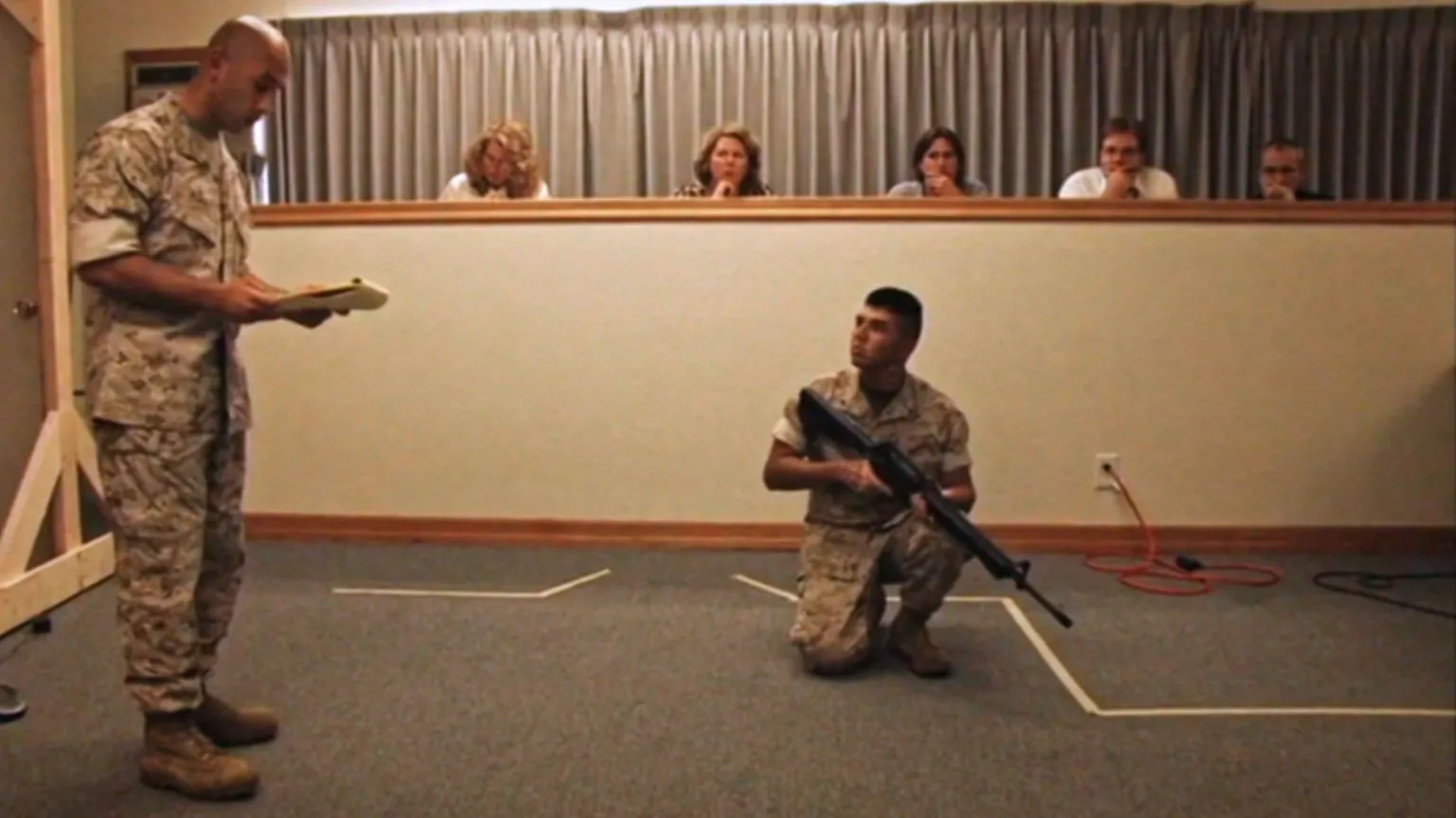
- Mendoza also revealed in an audio recording that he stepped into the bedroom. This detail matches the position a forensic expert identified as a shooter’s spot.
- Lance Corporal Stephen Tatum, in earlier statements, confirmed he fired at least one child after recognizing women and children in the room.
Forensic specialist Michael Maloney, who examined the scene in 2006, reviewed the new material. He concluded that Mendoza and Tatum likely fired the shots that killed Safa’s family. Both men avoided trial due to earlier immunity decisions and the narrow direction of the prosecution.
Links
UK Asylum Overhaul
Syria Embassy Reopens After 11-Year Hiatus
49ers’ Mac Jones Embraces Backup Role
Gaps in the Military Justice Process
The Haditha investigation became the longest war-crimes case of the Iraq conflict, yet it delivered no murder convictions. Safa’s video testimony from 2006 never reached the courtroom. Prosecutors removed key witnesses from legal risk by granting immunity, which weakened the case before it reached trial.
Wuterich eventually pleaded guilty to negligent dereliction of duty. The penalty had no direct link to the shootings. His own lawyer described it as little more than a minor infraction.
Several legal experts now say the approach shaped an outcome where no full account of the killings emerged. They argue that immunity agreements shielded direct participants and blocked deeper scrutiny. Survivors were left without answers, and the public received only fragments of what happened inside those homes.
A Survivor Still Waiting for Justice
Safa now lives in Haditha with her three children, but the memories of that morning remain sharp. When she saw Mendoza’s recorded testimony, she said he should have faced prison from the start. She finds it difficult to accept that almost 20 years have passed without a single conviction.
The US Marine Corps says it will reopen the case only if new and admissible evidence appears. Safa believes the tragedy always deserved a clearer and more determined pursuit of justice.