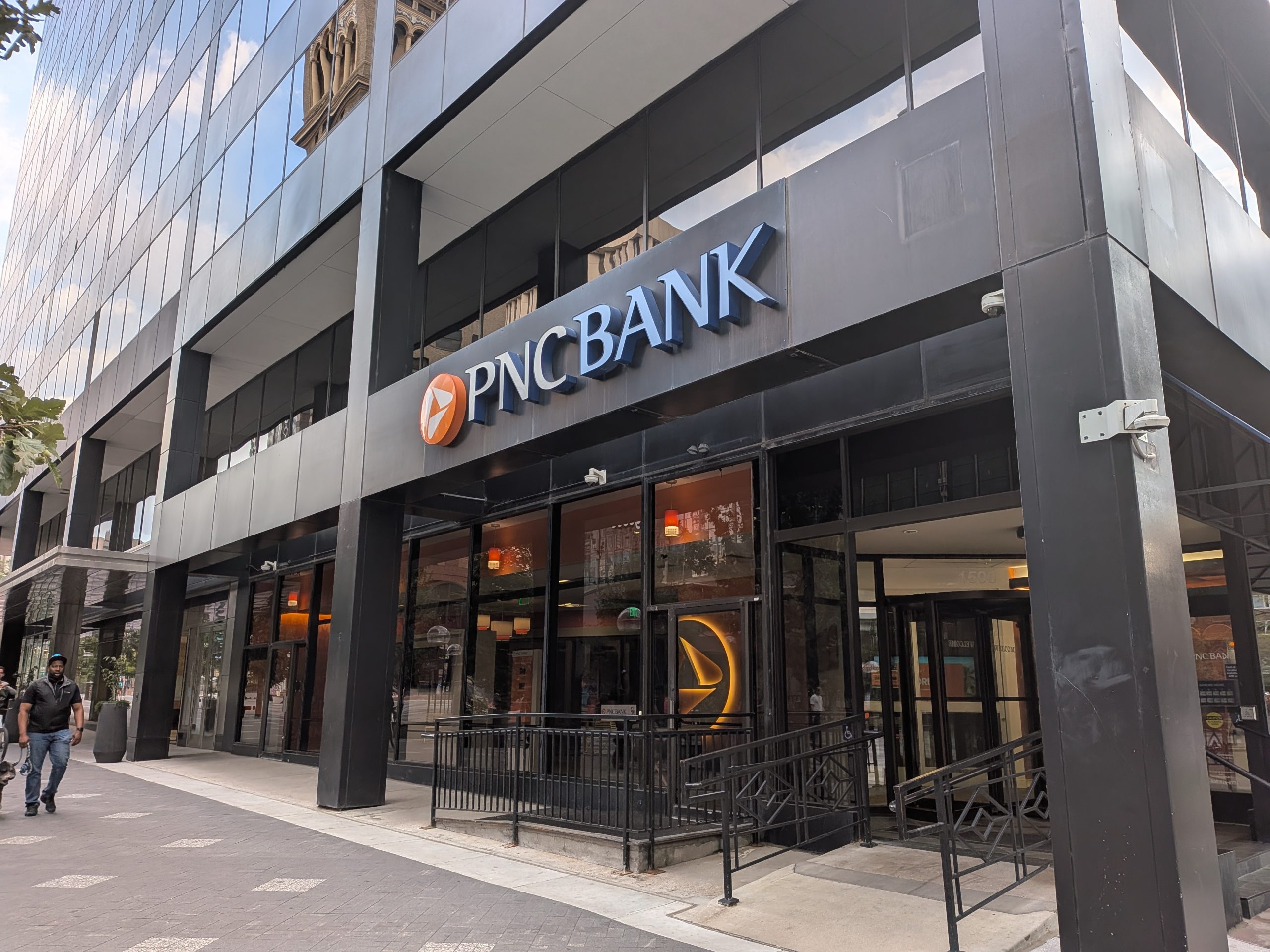
The PNC layoffs FirstBank acquisition is reshaping Colorado’s banking workforce. PNC Bank plans to cut up to 777 jobs as it integrates FirstBank. This move follows its $4.1 billion acquisition completed in early January. As a result, the cuts show how mergers can quickly change employment levels.
PNC disclosed the layoffs through a Worker Adjustment and Retraining Notification filing. Specifically, the notice went to the Colorado Department of Labor and Employment. Job cuts will begin on June 30. Moreover, the company confirmed they will be permanent. However, it did not list specific roles affected.
The PNC layoffs FirstBank acquisition reflects a common trend in large mergers. Typically, companies review roles after combining operations. As a result, they remove duplicate positions to cut costs. PNC said it examined jobs across both banks. Consequently, it found overlap in several departments. Therefore, that review led to the planned reductions.
Most cuts will affect Colorado. Notably, FirstBank has long based its headquarters in Lakewood. The facility has served as a major hub for decades. Previously, more than 1,000 employees worked there before the deal. Although the building will stay open, the workforce will shrink.
PNC said it will keep employees who serve clients. In addition, the bank wants to maintain customer relationships. It also aims to avoid service disruption. Meanwhile, affected workers will receive severance packages. Furthermore, they will get job search support. However, the bank will not offer bumping rights.
The PNC layoffs FirstBank acquisition comes during a weak job market. For instance, Colorado lost over 11,000 jobs last year after revisions. As a result, this trend shows slower hiring than expected. Therefore, the new layoffs could increase pressure on local employment. In particular, banking jobs often support regional economies.
Local leaders have responded quickly. For example, Lakewood officials are working with state and county partners. Together, they aim to support affected workers. These efforts include training programs and job placement help. Ultimately, the city wants to reduce the impact on families and businesses.
The PNC layoffs FirstBank acquisition also highlights the strategy behind the deal. After the acquisition, PNC expanded its presence in the Denver area. As a result, it now ranks as the largest bank by deposits in the region. The combined network includes about 120 branches. Therefore, this scale gives the bank a stronger market position.
At the same time, PNC sees future opportunities. For instance, it plans to make Denver a key technology hub. The bank wants to use the talent built by FirstBank. As a result, this move could create new roles in tech and operations. However, those benefits may take time to appear.
Analysts say the PNC layoffs FirstBank acquisition shows a typical trade-off. On one hand, mergers improve efficiency and scale. On the other hand, they often lead to job losses in the short term. Consequently, companies remove overlapping roles to reduce costs. Therefore, this process can affect hundreds of workers.
The contrast between early optimism and current layoffs stands out. Initially, leaders described the deal as a new chapter in January. They promised growth and expanded services. While that vision still exists, the job cuts reveal the immediate impact on employees.
The PNC layoffs FirstBank acquisition also reflects wider industry changes. For example, banks are investing more in digital services. At the same time, automation is replacing some traditional roles. Meanwhile, customers now expect faster and more flexible banking options. As a result, these shifts force banks to adjust their workforce.
Looking ahead, PNC must manage the transition carefully. First, it needs to retain key talent and maintain trust. Next, the bank must deliver on its growth plans. For Colorado, the focus will shift to recovery. Over time, new opportunities may emerge from the bank’s expansion.
In conclusion, the PNC layoffs FirstBank acquisition shows how consolidation shapes modern banking. While it creates stronger institutions, it also disrupts workers. Ultimately, the long-term impact will depend on how well the bank balances efficiency with opportunity.
READ: Hardee’s Franchise Collapse as ARC Burger Files Bankruptcy