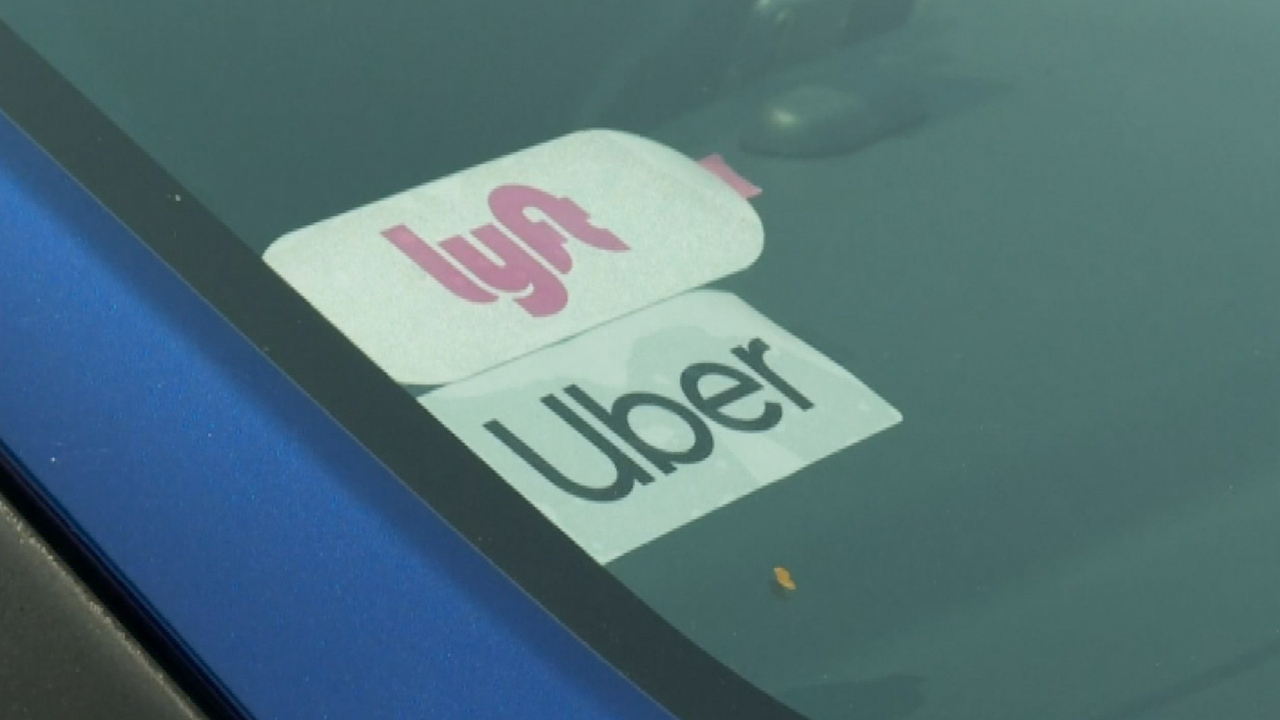
The Uber Prop 22 lawsuit is reigniting debate over gig economy labor rights in California. Drivers accuse Uber of failing to meet key obligations under the law. The case, filed in San Francisco Superior Court, raises fresh questions about worker protections.
Rideshare Drivers United brought the case. The group represents more than 20,000 app-based drivers. Attorney Shannon Liss-Riordan is leading the legal effort. Together, they argue that Uber has not complied with several parts of Proposition 22. As a result, they say the company cannot rely on the law to justify its contractor model.
At the center of the Uber Prop 22 lawsuit is the appeals process. Proposition 22 requires companies to offer drivers a way to challenge terminations. However, the lawsuit claims Uber has not provided a real or fair system. Drivers, therefore, may struggle to contest deactivations. This issue affects their ability to keep working.
In addition, the plaintiffs raise several other concerns. They claim Uber has terminated drivers for reasons not listed in its agreements. They also argue that Uber limits drivers from rejecting some requests. For example, drivers may face restrictions tied to location or service animals. These practices, they say, reduce flexibility.
The Uber Prop 22 lawsuit also questions how Uber handles driver earnings. Under the law, drivers must receive at least 120 percent of the minimum wage for engaged time. They must also receive mileage pay and all tips. However, the complaint says Uber does not provide enough information. As a result, drivers cannot easily verify their pay.
Attorney Shannon Liss-Riordan has taken a firm stance. She argues that Uber must meet all conditions under Proposition 22. If it fails, then it cannot classify drivers as independent contractors. Therefore, the case challenges both specific actions and the broader business model.
Uber has strongly denied the claims. The company called the lawsuit baseless and opportunistic. It insists that it follows Proposition 22 rules. Moreover, it says drivers can request reviews and raise concerns. Uber also highlighted benefits such as guaranteed earnings and healthcare support.
The Uber Prop 22 lawsuit reflects a wider industry conflict. Gig economy companies and labor advocates often clash over worker rights. Proposition 22 itself came after California passed AB 5. That earlier law aimed to limit independent contractor classifications. However, voters later approved Proposition 22 with a clear majority.
Supporters say the law protects flexibility while offering benefits. Critics, however, argue it falls short of full worker protections. As a result, disputes like this one continue to emerge. These legal battles shape how the law is applied in practice.
The Uber Prop 22 lawsuit could have wider effects. Other gig platforms may face similar scrutiny. If the court rules against Uber, companies may need to adjust their policies. This outcome could reshape how they treat drivers.
For drivers, the case highlights ongoing uncertainty. While the law promises protections, enforcement remains unclear. Therefore, the outcome may influence how drivers understand their rights. It may also affect how they engage with platforms.
Looking ahead, the Uber Prop 22 lawsuit may become a key legal test. The court’s decision could clarify how companies must comply. It may also guide future policy decisions.
Ultimately, the case raises a larger issue. The gig economy continues to evolve. Laws must keep pace with these changes. The challenge lies in balancing flexibility with fairness for workers.