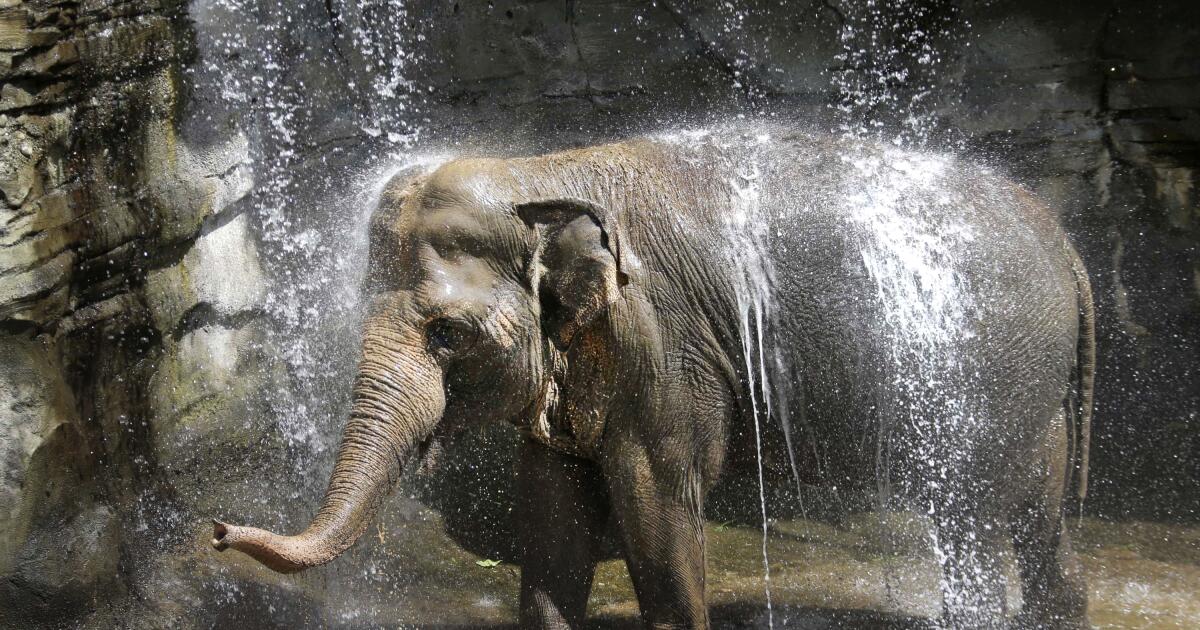
The Billy and Tina elephant relocation has ignited fierce debate. Animal welfare groups raise serious concerns. Specifically, they question the pachyderms’ new environment. Indeed, physical and mental health issues are cited. Consequently, advocates demand immediate action. Therefore, this story demands careful attention.
Currently, Tina, 59, battles a uterine infection. Meanwhile, Billy, 40, could face invasive procedures. According to Courtney Scott of In Defense of Animals, these risks are significant. Therefore, the Billy and Tina elephant relocation remains controversial. Stress behaviors reportedly intensified after the move. For instance, head bobbing and pacing increased. Thus, observers worry about their adaptation. Moreover, chronic stress can weaken immune systems.
Volunteers from Elephant Guardians of Los Angeles documented conditions. They visited twice and captured photos and videos. Consequently, evidence supports welfare concerns. Moreover, Scott’s group ranked Tulsa Zoo among the worst for elephants. Overcrowding and breeding history factor into this assessment. Therefore, the Billy and Tina elephant relocation faces scrutiny. Additionally, facility limitations may affect long-term care.
Notably, actor Samuel L. Jackson recently joined the advocacy effort. He stated that sanctuaries stand ready to accept the pair. Furthermore, he warned that continued exploitation harms their health. Cher, Lily Tomlin, and Bob Barker previously supported Billy. Thus, celebrity attention amplifies the debate. Similarly, public pressure influences institutional decisions.
The Tulsa Zoo did not respond to comment requests. Nevertheless, Billy and Tina now join five other Asian elephants. Their complex spans 17 acres with a wooded preserve. Additionally, a large barn provides indoor space. However, animal advocates argue this setup remains inadequate. Specifically, social dynamics in large herds can create tension.
Recently, the zoo announced Tina’s uterine infection. Abnormal fluid buildup complicates her condition. The zoo describes this as reproductive tract disease. Unfortunately, antibiotics alone cannot fully resolve the infection. Therefore, the situation could become life-threatening. Yet, the zoo states Tina shows no discomfort. She remains bright and engaged with keepers. Consequently, perspectives on her condition differ sharply.
Billy and Tina share a strong bond after 15 years together. They communicate through trunk touches and vocalizations. Consequently, separating them would cause additional stress. However, their relocation was not due to health reasons. Instead, the L.A. Zoo cited accreditation standards. After two herd members passed away, the zoo fell below minimum elephant requirements.
Therefore, the Billy and Tina elephant relocation became necessary per zoo policy. The L.A. Zoo stated it could not bring in more elephants. Thus, moving the pair was the only option. Importantly, the zoo consulted accredited sanctuaries during planning. Nevertheless, experts recommended Tulsa Zoo based on multiple criteria. Space, facilities, staff expertise, and herd dynamics guided the decision.
Denise Verret, L.A. Zoo director, noted accreditation risks. Specifically, she referenced Toronto Zoo’s 2012 accreditation loss. That institution sent elephants to a sanctuary per city council direction. Consequently, L.A. Zoo prioritizes maintaining its accredited status. Therefore, activist agendas do not influence animal care decisions. However, public trust requires transparent communication.
Councilmember Bob Blumenfield advocated for pausing the move. He sought council review of sanctuary options. Similarly, a resident filed a lawsuit to halt the transfer. Unfortunately, neither effort succeeded. However, activists continue their advocacy work. Thus, the conversation remains active and evolving.
Sanctuaries in Georgia and Cambodia have offered homes. The Performing Animal Welfare Society in California also expressed interest. According to Scott, finding the best fit requires careful discussion. Therefore, the Billy and Tina elephant relocation debate continues. Ultimately, their long-term welfare remains the central concern. Indeed, specialized care becomes more critical with age.
The Billy and Tina elephant relocation highlights broader zoo ethics questions. Indeed, accreditation standards versus animal well-being create tension. Moreover, public opinion increasingly favors sanctuary placements. Consequently, zoos face pressure to reconsider traditional models. For this reason, the outcome may influence future policies. Similarly, other institutions may reevaluate their elephant programs.
Finally, time remains critical for Billy and Tina. Their advanced ages require specialized, compassionate care. Therefore, stakeholders must prioritize their immediate needs. The Billy and Tina elephant relocation conversation thus extends beyond these two elephants. It encompasses evolving standards for captive wildlife management. Ultimately, their story may shape future animal welfare practices. Consequently, every decision carries significant weight.