US stocks rise as investors react to signs of renewed diplomacy between Washington and Tehran. At the same time, falling oil prices have added to market optimism and eased concerns about inflation pressures.
On Tuesday, the S&P 500 edged up by 0.3 percent. Meanwhile, the Nasdaq Composite gained a stronger 0.7 percent as tech stocks led the rally. However, the Dow Jones Industrial Average rose by less than 0.1 percent, reflecting its lower exposure to technology companies.
This upward movement follows a modest performance on Monday. Back then, software stocks drove gains across Wall Street. As a result, major indexes managed to post small but steady increases.
Investor sentiment improved further after new inflation data emerged. The Bureau of Labor Statistics reported that producer prices rose more slowly than expected in March. Specifically, the index increased by 0.5 percent compared to the previous month. Economists had expected a larger rise of 1.1 percent.
Consequently, the slower increase in producer prices has reduced immediate inflation fears. This development comes at a critical time, as global tensions continue to influence energy markets and economic outlooks.
At the same time, geopolitical developments played a key role. Markets responded positively after Donald Trump signaled openness to further talks with Iran. Investors now expect the April 7 truce between the two countries to extend beyond its current timeline.
As optimism builds, traders anticipate a longer-term agreement that could stabilize the region. Notably, earlier gains had already helped the S&P 500 recover losses recorded since the conflict began. Therefore, continued diplomatic progress could support further market stability.
Meanwhile, oil prices moved sharply lower. This decline reflects reduced fears of supply disruptions in the Middle East. As tensions ease, investors expect fewer risks to global energy flows.
In particular, West Texas Intermediate crude fell by 3.7 percent, trading near $95 per barrel. Similarly, Brent crude dropped by 1.9 percent to around $97 per barrel. As a result, prices slipped below the $100 mark, a key psychological level for traders.
Even so, investors continue to monitor shipping activity through the Strait of Hormuz. This route remains critical for global oil supply, and any disruption could quickly reverse recent price declines.
In addition to market and geopolitical factors, corporate earnings have also influenced sentiment. JPMorgan Chase reported a 13 percent increase in profits. However, CEO Jamie Dimon warned that the economy faces an increasingly complex set of risks.
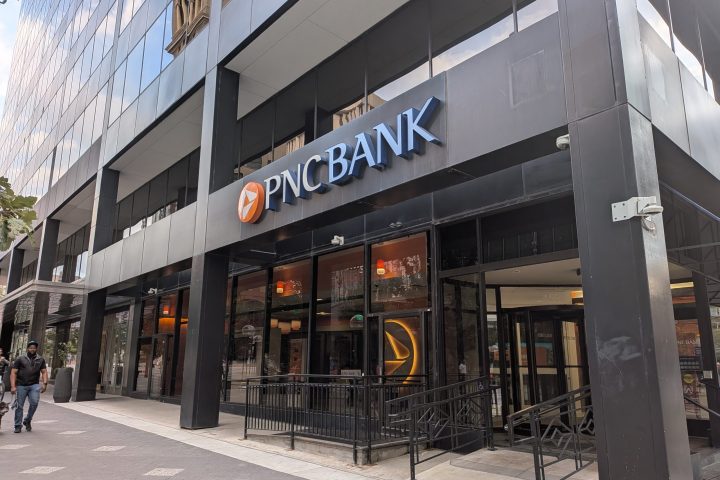
At the same time, other major banks delivered strong results. BlackRock, Wells Fargo, and Citigroup all reported earnings that exceeded expectations. These results suggest resilience within the financial sector despite broader uncertainty.
Looking ahead, investors will closely watch upcoming reports from Bank of America and Morgan Stanley. These updates will provide further insight into the health of the banking industry and the broader economy.
Overall, US stocks rise as multiple factors align in the market’s favor. Lower inflation signals, improving geopolitical outlook, and strong corporate earnings all support investor confidence. Nevertheless, uncertainty remains, particularly around global conflicts and energy markets.
In conclusion, the current trend shows cautious optimism. While risks still exist, the combination of easing inflation and diplomatic progress continues to drive momentum. If these conditions persist, US stocks rise could remain a defining theme in the near term.