School solar project initiatives continue to reshape education infrastructure, and one California district now stands out with a major milestone. The Yucaipa-Calimesa Joint Unified School District has completed a large-scale clean energy rollout that combines solar power with efficiency upgrades.
The district installed 3.5 megawatts of solar capacity across 12 sites. As a result, it expects to generate about $48 million in savings over the next 20 years. At the same time, leaders have integrated the system into classroom learning, creating both financial and educational value.
In partnership with OpTerra Energy Services, the district launched a $33 million transformation plan. The project combines solar generation with deep efficiency improvements. Therefore, it helps the district manage rising utility costs while improving energy performance.
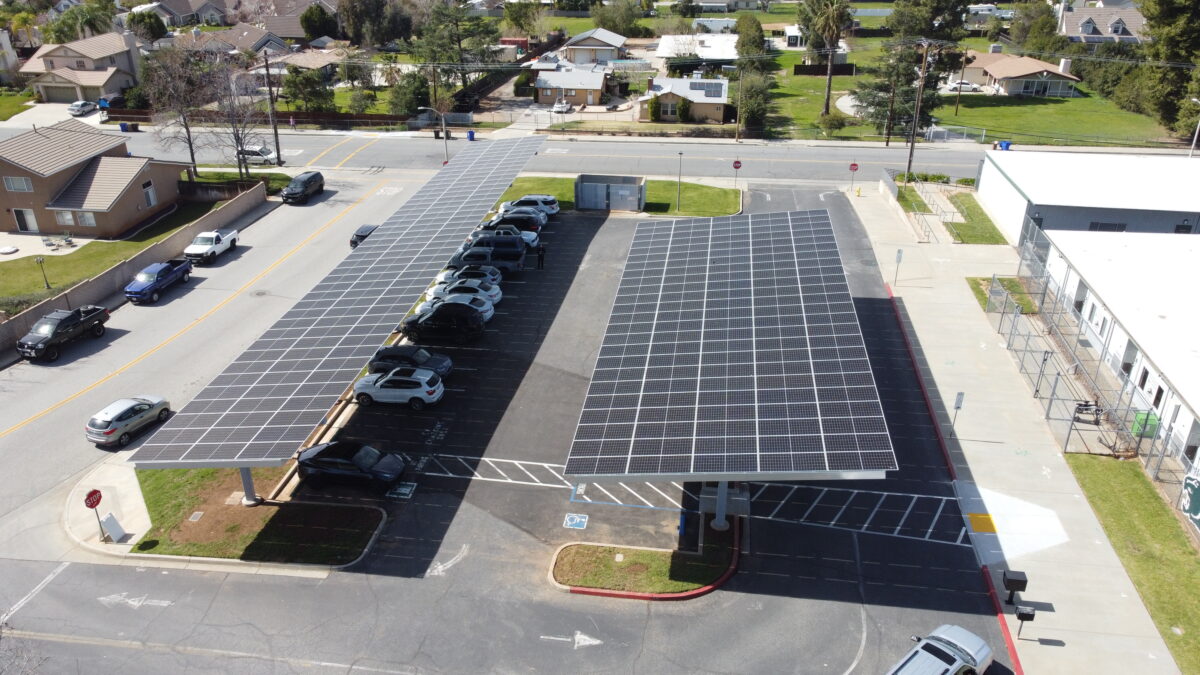
The school solar project focuses heavily on solar canopies installed over parking lots. These structures serve two purposes. First, they generate clean electricity for daily use. Second, they provide shade in the high-heat conditions common in San Bernardino and Riverside counties.
In addition, the district upgraded energy systems across all 14 campuses. Teams installed LED lighting throughout the schools. They also replaced outdated heating and cooling systems with high-efficiency units. Moreover, the district introduced advanced irrigation controls to reduce water use and cut costs linked to drought conditions.
To finance the initiative, the district adopted a lease-purchase agreement. It worked with Banc of America Public Capital Corp to secure funding at a fixed interest rate of 4.373 percent. As a result, the district avoided increasing the burden on local taxpayers.
Timing also played a critical role in the success of this school solar project. The district secured interconnection under California’s favorable net metering framework before policy changes took effect. Consequently, it benefits from higher compensation for excess energy exported to the grid.
The financial outlook reflects this strategic planning. Over the 20-year term, the district expects significant savings while maintaining predictable energy costs. This stability helps administrators plan budgets more effectively.
Beyond cost savings, the district has turned the school solar project into a hands-on learning platform. Students now use real-time data from the solar systems. They study energy production and consumption patterns in math and science classes. As a result, the project strengthens STEM education and introduces students to careers in renewable energy.
Furthermore, the district has actively involved students in the initiative. School leaders recently recognized interns who contributed to the project. These students gained practical experience while supporting energy management efforts. This approach connects classroom theory with real-world application.
Looking ahead, the district plans to expand its energy strategy. Officials aim to add battery storage systems to the existing solar network. This upgrade will allow schools to store excess energy generated during the day. Later, they can use that energy during peak evening hours or power outages.
Consequently, the expanded school solar project will improve reliability and reduce costs even further. The district secured support for this next phase through a grant from So Cal West Coast Electric. This funding will accelerate the transition toward a more resilient energy system.
Overall, the project reflects a broader shift in how schools approach energy use. Districts are no longer just consumers of electricity. Instead, they are becoming active producers and managers of clean energy.
In conclusion, this school solar project demonstrates how strategic investment can deliver long-term value. It reduces costs, supports sustainability, and enhances education at the same time. As more districts follow this model, schools could play a leading role in the clean energy transition.