In a significant and highly anticipated move, the U.S. Environmental Protection Agency (EPA) has announced plans to revoke the Obama-era “Endangerment Finding” on carbon dioxide (CO2) emissions. The decision, which was made public on February 10, 2026, comes as part of the Trump administration’s broader deregulatory agenda and is expected to have far-reaching implications for environmental policy and U.S. industries.
The Endangerment Finding, established in 2009 by the Obama administration, was the legal basis for regulating CO2 emissions under the Clean Air Act. It gave the EPA the authority to impose restrictions on greenhouse gas (GHG) emissions from vehicles, power plants, and other sectors in an effort to combat climate change. However, the Trump administration has long sought to reverse this policy, arguing that it was based on flawed scientific assumptions and exceeded the EPA’s authority.
“This will be the largest deregulatory action in American history, and it will save the American people $1.3 trillion in crushing regulations,” White House press secretary Karoline Leavitt stated, emphasizing the financial benefits of the proposed rollback.
Background of the Endangerment Finding
The Endangerment Finding was a critical component of the Obama administration’s efforts to address climate change and reduce the United States’ carbon footprint. In 2007, the U.S. Supreme Court ruled in Massachusetts v. EPA that greenhouse gases, including CO2, are air pollutants that fall under the jurisdiction of the Clean Air Act. This ruling laid the foundation for the EPA’s 2009 decision to designate CO2 and other GHGs as harmful to public health and the environment, thus enabling the agency to regulate emissions from key industries.
The Obama-era finding relied heavily on scientific studies linking CO2 emissions to global warming, arguing that increased concentrations of greenhouse gases in the atmosphere contributed to rising global temperatures, melting ice caps, and more frequent extreme weather events. This conclusion formed the legal basis for imposing stricter emissions standards on vehicles and power plants, aiming to curb climate change and reduce its long-term impacts.
Legal and Political Context of the Revocation
The Trump administration’s move to revoke the Endangerment Finding is grounded in a shift in legal and regulatory philosophy. According to EPA officials, the revocation is necessary because the agency no longer believes it has the legal authority to regulate greenhouse gases under the Clean Air Act without a clear mandate from Congress. The EPA’s legal justification is based on the argument that the Clean Air Act was originally intended to regulate harmful pollutants like mercury, lead, and carbon monoxide, not the broader, long-term effects of greenhouse gases like CO2.
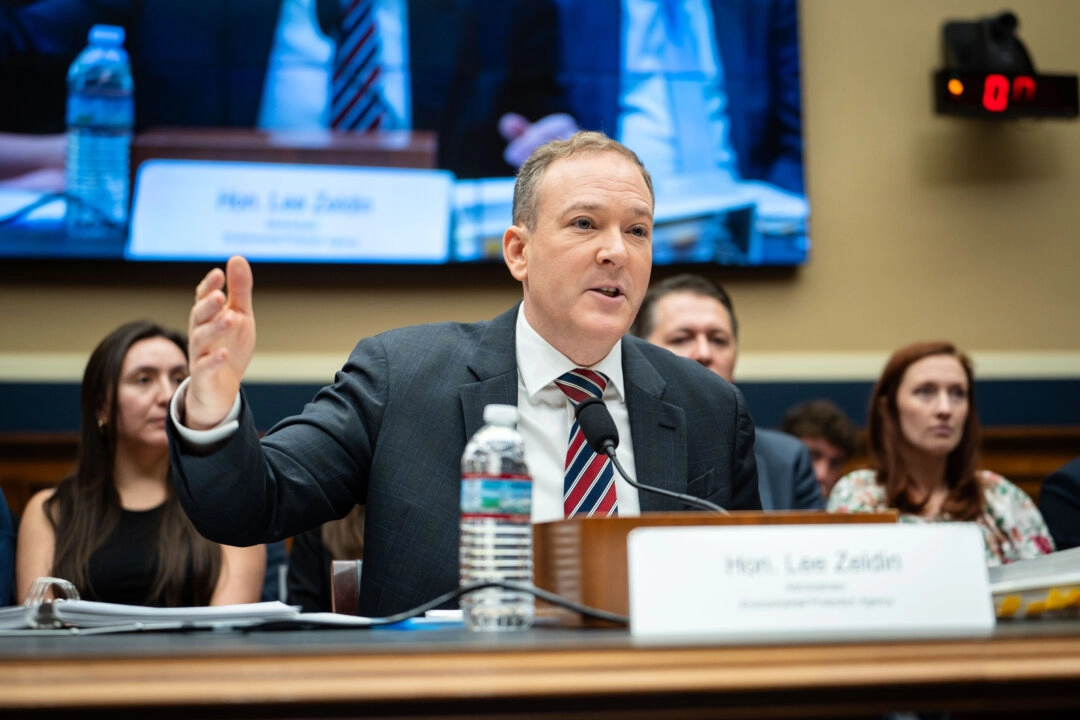
EPA Administrator Lee Zeldin, who has spearheaded the push to rescind the Endangerment Finding, stated that the action is “driving a dagger straight into the heart of the climate change religion,” suggesting that the move would lower the cost of living for American families and revitalize the domestic energy industry. Zeldin’s rhetoric underscores the administration’s belief that regulatory measures targeting CO2 emissions have led to unnecessary economic burdens, particularly for industries such as the automotive and energy sectors.
The revocation has also sparked strong support from conservative groups, who argue that federal regulators have overstepped their bounds by imposing restrictive emissions standards without proper Congressional authorization. Alex Stevens, a manager at the Institute for Energy Research, praised the move, noting that the Supreme Court’s 2022 decision in West Virginia v. EPA emphasized the need for clear Congressional authority before federal agencies can regulate issues with significant economic impact.
Impact on the Automotive and Energy Sectors
The revocation of the Endangerment Finding would have significant implications for the automotive and energy sectors. Under the Obama administration’s rules, carmakers were required to meet stringent fuel efficiency standards, which were designed to reduce CO2 emissions from vehicles. The rollback would eliminate these requirements, allowing manufacturers more flexibility in producing vehicles with higher emissions.
Similarly, power plants that were subject to CO2 emissions restrictions would also benefit from the removal of the Endangerment Finding. This could lead to a relaxation of existing regulations and allow energy companies to operate with fewer constraints. The oil and gas industry, which has long been a target of environmental regulations, is expected to benefit the most from the rollback, as it could pave the way for expanded production and lower costs for fossil fuel-based energy.
However, critics argue that the move could undermine efforts to combat climate change and lead to increased environmental damage. Many environmental organizations have vowed to challenge the decision in court, with the Environmental Defense Fund (EDF) leading the charge. EDF President Fred Krupp warned that removing the EPA’s authority to regulate CO2 emissions could result in a “devastating economic and environmental crisis,” citing the long-term impacts of climate disasters that have already cost the U.S. over $3 trillion since 1980.
Scientific Criticism of the Endangerment Finding
The scientific foundation of the Endangerment Finding has also come under scrutiny. Critics of the policy, including Greg Wrightstone, executive director of the CO2 Coalition, argue that the scientific evidence used to support the finding was based on unreliable computer models and pseudo-scientific claims. Wrightstone contends that the EPA’s assertion that CO2 emissions were the primary cause of global warming was based on flawed assumptions and failed to account for the complexity of climate dynamics, such as solar cycles, ocean currents, and cloud formation.
In response to the Trump administration’s rollback, environmental groups and climate activists have expressed concerns that the decision reflects a broader trend of undermining scientific consensus on climate change. They argue that allowing the fossil fuel industry to operate with fewer regulatory constraints could exacerbate global warming and increase the frequency of extreme weather events.
Legal Challenges and the Future of Emissions Regulation
The decision to revoke the Endangerment Finding is expected to face significant legal challenges. Climate activists and environmental groups have already pledged to challenge the move in court, arguing that it undermines U.S. efforts to meet international climate agreements and address the environmental consequences of CO2 emissions. These challenges could delay the implementation of the decision and keep the matter in legal limbo for years to come.
Moreover, the legal battle over the revocation could provide an avenue for future administrations to reverse the decision. Legal experts have pointed out that, even if the Trump administration successfully removes the Endangerment Finding, the issue of CO2 emissions regulation will likely continue to be a point of contention between Republican and Democratic administrations.
In the long term, the outcome of the legal challenges will determine whether the EPA’s authority to regulate CO2 emissions remains intact or whether future administrations will be able to roll back or reinstate environmental protections. The 2007 Supreme Court decision in Massachusetts v. EPA, which deemed greenhouse gases to be pollutants under the Clean Air Act, remains a key precedent that climate activists could use to argue for the reinstatement of emissions regulations.
Political Implications and Future Legislative Action
The decision to revoke the Endangerment Finding has significant political implications, particularly in the context of upcoming elections. Republicans have largely supported the rollback as a victory for American industry and a necessary step to reduce government overreach, while Democrats have condemned the move as a dangerous attempt to undermine climate action.
As the debate over CO2 emissions regulation continues, lawmakers on both sides of the aisle are likely to introduce new legislation aimed at either strengthening or rolling back environmental protections. The fate of the Endangerment Finding and the future of emissions regulation will depend on the political landscape in the coming years, with the outcome of ongoing legal challenges playing a pivotal role in shaping U.S. climate policy.