U.S. Secretary of State Marco Rubio embarked on a crucial two-day diplomatic tour across Eastern Europe starting February 15, 2026, with the objective of reinforcing the United States’ relationships with Slovakia and Hungary. The trip, which followed Rubio’s participation in the Munich Security Conference, highlights ongoing U.S. efforts to strengthen ties with key Central European nations amid a shifting geopolitical landscape.
The U.S. State Department outlined that Rubio’s visit would focus on a variety of bilateral issues, including NATO commitments and energy cooperation, both of which are pivotal in the current political and security environment of Eastern Europe. Rubio’s visit also underscores the United States’ strategic interest in supporting countries that have been pivotal in European defense and energy discussions, especially in light of rising tensions with Russia.
Strengthening NATO Ties and Energy Cooperation
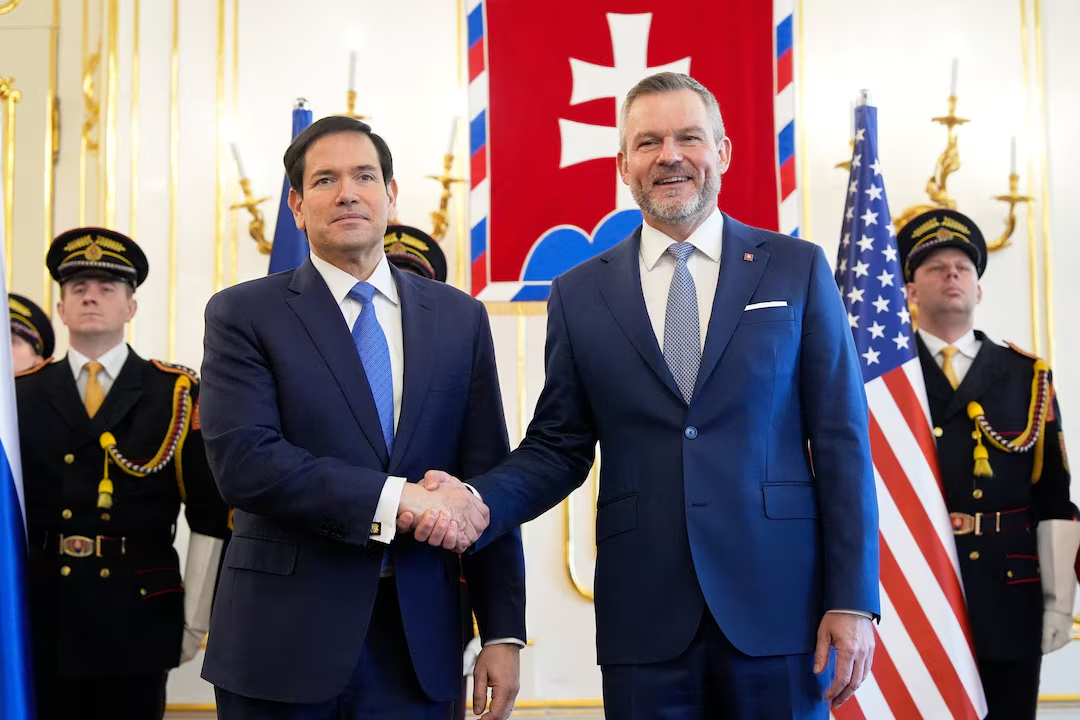
Rubio’s first stop was in Bratislava, the capital of Slovakia, where he met with Slovak President Peter Pellegrini on February 15. This meeting marked the first visit by a U.S. secretary of state to Slovakia in seven years, a significant diplomatic gesture emphasizing the importance of the relationship between the two nations.
The discussions between Rubio and Pellegrini centered around strengthening defense cooperation, particularly the fulfillment of commitments made during past NATO summits. Slovakia, as a NATO member, plays a crucial role in regional security, and its participation in NATO operations remains a key area of focus for the United States. With the backdrop of ongoing tensions in Europe, especially with Russia’s actions in Ukraine, ensuring that NATO members meet their defense obligations remains a priority for Washington.
In addition to defense, energy cooperation was also a key topic during the talks. Slovakia, like many other European nations, has been grappling with the need to diversify its energy sources, particularly in the aftermath of the Russian invasion of Ukraine. Slovakia has faced criticism from the United States and other Western allies for continuing to purchase energy from Russia, which complicates EU sanctions and efforts to reduce dependence on Russian energy. It is expected that Rubio’s discussions will address Slovakia’s energy strategy, particularly as the U.S. has expressed concerns over nations maintaining ties with Moscow despite broader sanctions.
Slovak Prime Minister Fico’s Visit to the U.S. and Continued Dialogue
Following the meeting with President Pellegrini, Rubio engaged in discussions with Slovak Prime Minister Robert Fico. This meeting comes just a month after Fico visited U.S. President Donald Trump in Florida, marking an ongoing dialogue between the two countries. Fico, who has been vocal in his criticisms of the European Union and its institutions, has positioned himself as a leader who wants to foster closer ties with Washington, often echoing Trump’s critical stance on the EU’s direction.
Fico’s criticism of the EU’s approach to democratic governance and its handling of the crisis in Ukraine, especially regarding military support for Kyiv, is well-documented. Slovakia and Hungary have both faced scrutiny from the European Union for backsliding on democratic norms, particularly with their close ties to Moscow and reluctance to fully implement sanctions on Russia. These complex dynamics are expected to be addressed in Rubio’s meetings with Fico, as the U.S. seeks to align its diplomatic and security policies with both countries while managing their relationships with Russia.
Rubio’s Planned Visit to Hungary and Tensions Over NATO Commitments
On February 16, Rubio is scheduled to meet Hungarian Prime Minister Viktor Orban, who has been a staunch ally of President Trump in Europe. Orban’s relationship with Trump has often been a point of contention within the European Union, where Orban’s authoritarian approach to governance and close ties with Russia have raised alarm. Orban, who is facing a challenging re-election campaign in April 2026, has been a frequent host of Conservative Political Action Conference (CPAC) events in Budapest, drawing conservative leaders from around the world.
Despite being a key ally of Trump, Orban’s position in the upcoming election remains precarious, with many polls suggesting that he may lose his grip on power. Rubio’s visit to Hungary is expected to emphasize the continued support from the United States for Orban, particularly as Trump has expressed backing for his leadership. Rubio’s remarks underscore the importance of this visit, as the U.S. seeks to reinforce its political relationship with Hungary despite the ongoing internal challenges Orban faces.
EU Relations and Controversy Over Military Spending
While Hungary and Slovakia are important U.S. allies in the region, both countries have come under criticism for their approach to military spending, particularly in light of Trump’s push for NATO members to increase their defense budgets. Both Slovakia and Hungary have adhered to NATO’s minimum defense spending target of 2% of GDP, which is significantly lower than the 5% threshold that Trump has advocated for. This divergence in spending priorities has been a contentious issue, and it is likely that Rubio will address this during his meetings with both Fico and Orban.
The United States has been a vocal proponent of increasing defense spending across NATO members, especially with the ongoing threat posed by Russia. While both Hungary and Slovakia have met the minimum NATO target, their military budgets remain far below what the U.S. considers adequate for the alliance’s security needs.
In addition to defense spending, both countries have been the subject of European Commission investigations for their stance on democracy and human rights. The U.S. has expressed concern over the erosion of democratic norms in both nations, especially with their criticism of the EU and continued engagement with Russia. Rubio’s trip will likely involve sensitive discussions about balancing these concerns with the broader geopolitical goals of strengthening NATO and countering Russian influence in Eastern Europe.
Energy and Geopolitics: The Continued Influence of Russia
Another area of contention between the U.S. and its Eastern European allies involves their reliance on Russian energy exports. Despite European Union-wide sanctions on Russian energy, Hungary and Slovakia have continued to purchase gas and oil from Russia, a situation that has drawn criticism from the United States and other EU members. Rubio’s discussions with both Fico and Orban are expected to address these energy ties and the potential for diversifying energy sources away from Moscow.
The geopolitical landscape in Eastern Europe remains fluid, with energy dependence playing a critical role in shaping the policies of countries like Slovakia and Hungary. As the U.S. continues to pressure its allies to cut ties with Russia, it will be important for Rubio to navigate these sensitive issues and reinforce the broader goal of reducing European reliance on Russian energy.
Impact of Rubio’s Visit on U.S.-European Relations
Rubio’s visit to Slovakia and Hungary comes at a time when the U.S. is seeking to strengthen its relationships with key European nations, particularly those in Eastern Europe, as the region faces increasing geopolitical challenges. With Russia’s actions in Ukraine and the shifting dynamics of European unity, it is crucial for the U.S. to reinforce its alliances and ensure that NATO remains cohesive in the face of external threats.
Rubio’s diplomatic outreach to Slovakia and Hungary will play a significant role in shaping U.S. foreign policy in the region, particularly as both countries continue to navigate their relationships with Russia and the European Union. As these issues remain a central focus of international diplomacy, Rubio’s discussions with Fico and Orban will help determine the trajectory of U.S.-European relations in the coming years.