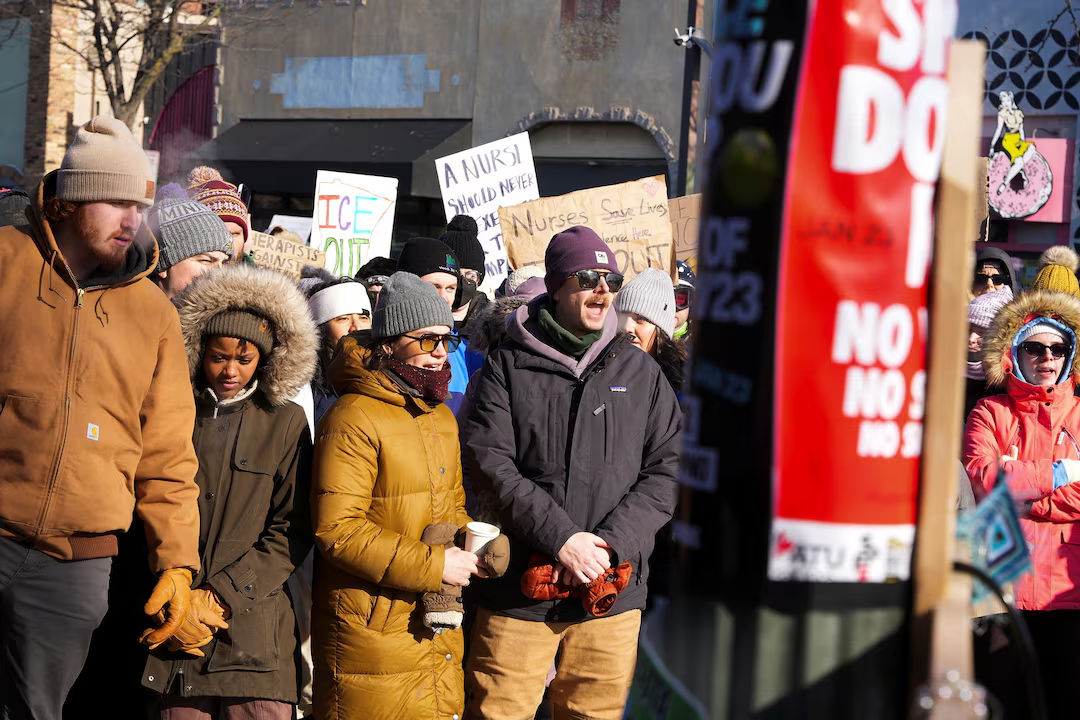
Fatal shootings by federal immigration agents in Minneapolis have ignited a fierce national political battle. The recent deaths of two U.S. citizens during clashes with protesters have thrust President Donald Trump’s aggressive immigration crackdown into the election-year spotlight. Consequently, the Minneapolis shootings are forcing Republicans to defend hard-line tactics while energizing Democrats who see the issue as urgent. Senate Democratic leader Chuck Schumer vowed to oppose funding legislation for the Department of Homeland Security, risking a government shutdown. The Minneapolis shootings occurred during a sweeping federal enforcement surge in the city, sparking weeks of protests and violent confrontations. This situation now tests the political allegiances of moderates and gun rights advocates alike.
Political Standoff Over Homeland Security Funding
The immediate political fallout centers on a January 30 deadline to fund the federal government. Senator Chuck Schumer declared Democrats would vote against any funding bill that includes money for the Department of Homeland Security, which oversees ICE and CBP. Schumer called for Republicans to join Democrats in “overhauling ICE and CBP to protect the public.” Moderate Democrats, typically cautious about appearing anti-law enforcement, have united behind this stance. Nevada Senator Catherine Cortez Masto stated the operation was “brutalizing US citizens and law-abiding immigrants,” not about safety. This unified Democratic position uses the Minneapolis shootings as leverage to force a policy debate, setting the stage for a potential partial government shutdown if no compromise is reached before the deadline.
Gun Rights Complications for Republicans
The Minneapolis shootings present a unique complication for Republicans, traditionally the party of gun rights. The second victim, ICU nurse Alex Pretti, was legally armed at the protest when he was killed. Administration efforts to blame Pretti for bringing a weapon have alarmed gun rights groups. The Minnesota Gun Owners Caucus stated clearly that “Every peaceable Minnesotan has the right to keep and bear arms, including while attending protests.” This creates a conflict between supporting the administration’s immigration enforcement and upholding Second Amendment principles. Recent Reuters polling indicates even 39% of Trump’s Republican supporters are wary of the aggressive tactics, preferring to minimize harm even if it means fewer arrests. This internal tension could fracture Republican unity on the issue.
Republican Lawmakers Express Unease and Demand Answers
While broadly backing the crackdown, some Republican lawmakers are expressing significant unease following the Minneapolis shootings. Louisiana Senator Bill Cassidy called the shooting “incredibly disturbing” and stated “the credibility of ICE and DHS are at stake.” Alaska Senator Lisa Murkowski said the death raises “serious questions” about enforcement training adequacy. North Carolina Senator Thom Tillis warned that any official rushing to judgment harms the nation and Trump’s legacy. In the House, the Homeland Security Committee has requested testimony from ICE officials. Republican Representative Michael Baumgartner welcomed the request, saying it’s “critically important” the public and Congress understand how enforcement is handled. This scrutiny from within the president’s own party indicates the political sensitivity of the fatalities.
State and Local Pushback Against Federal Operations
Minnesota’s Democratic leadership has forcefully rejected the federal operation’s characterization and methods. Governor Tim Walz and local law enforcement say they will cooperate to remove violent offenders but accuse the administration of stirring chaos. At a news conference, Walz directly addressed President Trump: “Someone has to be accountable for the killings in Minnesota. President Trump you can end this today. Pull these folks back.” This standoff between state and federal authorities echoes broader tensions over jurisdiction and policing philosophy. Protesters on the ground, like Minneapolis resident Eric Gray, warn that “what’s happening here could happen everywhere,” framing Minnesota as a national test case. The local backlash complicates the federal narrative of restoring order.
Election-Year Strategy and Voter Sentiment
Democrats are seizing on the Minneapolis shootings to accuse the Trump administration of dangerous government overreach—a charge aimed at resonating with independents. Democratic strategist Tre Easton advised, “Democrats should say exactly what they mean about ICE. No pithy slogans.” Conversely, Trump has shown no retreat, posting on Truth Social that the operation was central to his 2024 win and GOP control of Congress. He blamed “Democrat ensued chaos” for the deaths. The situation creates a wedge issue where Democrats hope to mobilize their base and appeal to moderates alarmed by the tactics, while Republicans aim to rally supporters around law-and-order themes. The polling showing independent voter concern suggests potential electoral risk for the GOP if the narrative of excessive force takes hold.
Broader Implications for Immigration Policy and Enforcement
The Minneapolis shootings and the political firestorm will likely influence the future of immigration enforcement policy. They have already triggered a congressional investigation and bipartisan calls for transparency and training reviews. The debate is shifting from purely ideological arguments over border security to practical questions about domestic enforcement methods and accountability. The outcome of the funding fight could constrain or empower ICE operations moving forward. Furthermore, the incident may influence how federal agencies interact with local communities and handle protests. The long-term legacy may be increased scrutiny and potentially new legislative oversight mechanisms for immigration enforcement actions within U.S. cities, altering the operational landscape for future administrations regardless of party.
The Minneapolis shootings have catalyzed a high-stakes political confrontation with immediate and long-term consequences. The events have merged contentious issues of immigration, gun rights, federal overreach, and police accountability into a single explosive conflict. As the government funding deadline approaches, the pressure on lawmakers to take a stand intensifies. The response from voters in the coming months will determine whether the administration’s strategy is seen as a necessary enforcement action or a dangerous escalation. For now, the city of Minneapolis remains the focal point of a national debate that will deeply influence the tone and substance of the upcoming election cycle, with both parties believing the issue holds the key to mobilizing their supporters.