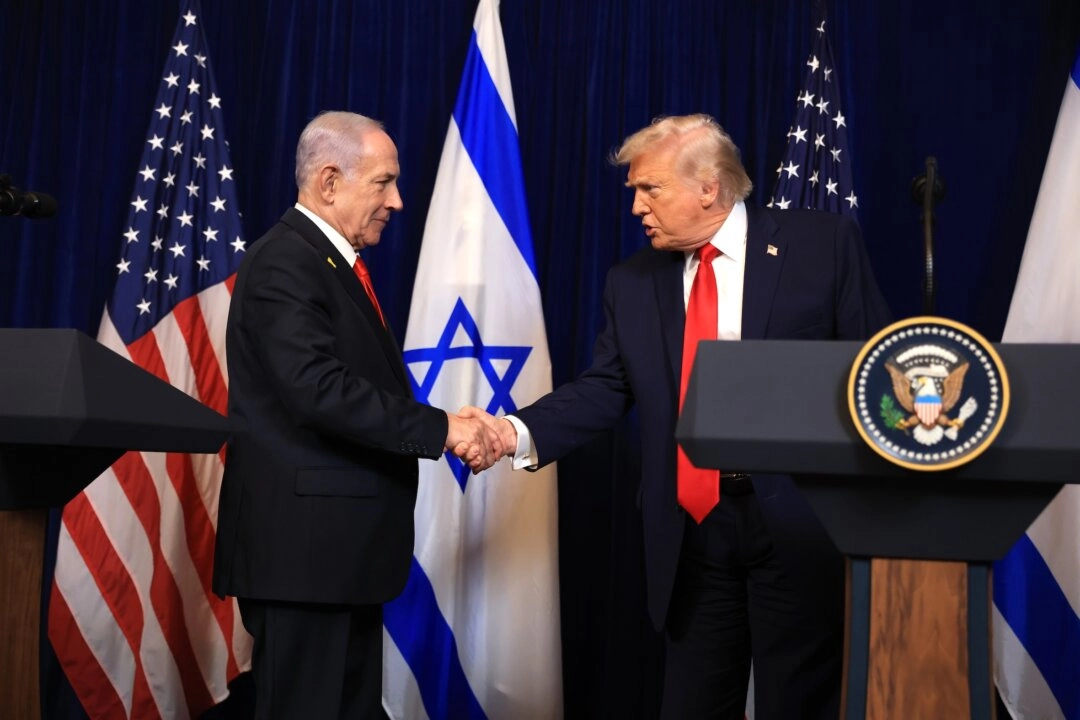
In a crucial diplomatic meeting set to take place next week, Israeli Prime Minister Benjamin Netanyahu is expected to meet with U.S. President Donald Trump in Washington to discuss the ongoing negotiations between the United States and Iran. The highly anticipated meeting comes at a time of increasing geopolitical tension and military buildup in the Middle East, particularly surrounding the fate of Iran’s nuclear program and its missile capabilities.
This diplomatic engagement comes just days after U.S. and Iranian delegations wrapped up another round of talks in Oman. The two sides continue to face a difficult road ahead, with the future of the negotiations hanging in the balance. As the situation remains volatile, both Israel and the U.S. have voiced concerns over Iran’s missile development and its involvement in regional proxy conflicts, making the upcoming discussions between Netanyahu and Trump all the more critical.
Key Focus: Iran’s Nuclear Program and Missile Capabilities
The Israeli Prime Minister’s office confirmed in a statement issued on February 7, 2026, that Netanyahu’s upcoming meeting with President Trump will revolve around the ongoing talks with Iran. Netanyahu, who has consistently voiced his concerns about Iran’s nuclear ambitions and regional behavior, is expected to press for a stronger stance in the negotiations.
Specifically, Netanyahu’s office emphasized the need for any deal with Iran to include restrictions on Tehran’s ballistic missile programs, as well as an end to Iran’s support for militant groups and proxy forces across the Middle East. This comes after Israeli forces engaged Iranian targets in the region earlier in 2026, which led to missile exchanges between Iranian and Israeli forces.
“The Prime Minister believes any negotiations must include limitations on ballistic missiles and a halting of support for the Iranian axis,” read the statement from Netanyahu’s office.
Netanyahu’s concerns have been compounded by previous missile strikes launched by Iran in retaliation for Israeli airstrikes on Iranian military assets, which saw missiles fired at Israeli cities in June 2026. These events have deepened Israel’s fears that a nuclear-capable Iran could pose a significant threat to regional security and stability.
U.S. Military Posturing and Iran’s Stance
President Trump’s administration has already taken steps to bolster U.S. military presence in the Middle East in response to tensions with Iran. The U.S. has ramped up its forces in the region, signaling readiness for potential military action if diplomatic efforts fail to produce satisfactory results.
In recent statements, Trump has reiterated his stance that Iran is keen on reaching a deal, but has also suggested that he will not settle for a limited agreement that only addresses Iran’s nuclear program. “We have to see where that deal is,” Trump said during a press conference on Air Force One, “but I think Iran looks like they want to make a deal very badly, as they should.”
However, U.S. Secretary of State Marco Rubio has suggested that any deal with Iran must address not only the nuclear issue but also Tehran’s missile development, violent crackdowns on internal protests, and support for militant groups in the region. Rubio’s comments align with Israel’s position that a successful agreement must tackle the broader scope of Iran’s destabilizing actions across the Middle East.
Iranian Resistance and the Impasse in Talks
Despite these diplomatic moves, Iran has remained firm in its stance regarding its missile programs. Iranian Foreign Minister Abbas Araghchi, speaking to Al Jazeera in Qatar, made it clear that Iran would not consider its missile capabilities as part of any negotiation process. “Iran’s missile programs are not up for negotiation,” Araghchi stated, reinforcing the country’s longstanding position that its defense capabilities, including missiles, are a matter of national security.
This resistance from Iran poses a significant challenge to the ongoing negotiations, as both the U.S. and Israel have made it clear that missile restrictions are a non-negotiable part of any potential agreement. The disagreement over the scope of the talks could further complicate the already tense diplomatic relationship between the two sides.
What’s at Stake for U.S.-Israel Relations?
As Netanyahu heads to Washington next week, the meeting with President Trump is expected to have significant implications not just for the U.S.-Israel relationship, but also for the broader dynamics in the Middle East. Israel has long been a staunch ally of the U.S., and the two countries have often worked together to counter Iran’s growing influence in the region.
However, with Trump’s administration facing internal and international pressures regarding its Iran policy, Netanyahu’s role in shaping the next steps in the negotiations could be crucial. The outcome of this meeting will likely set the tone for the next phase of diplomatic efforts with Iran and could influence the U.S.’s approach to other contentious regional issues.
The Future of U.S.-Iran Negotiations
With both sides of the Iran-U.S. negotiations still far apart, it remains to be seen what concessions, if any, will be made. Trump has signaled that he is willing to push for a more comprehensive deal, one that includes not only the nuclear issue but also the missile programs and Iran’s role in supporting violent groups. Netanyahu, for his part, will continue to press for a deal that directly addresses Israel’s security concerns, including the full dismantling of Iran’s missile capabilities and the cessation of support for militias and terrorist organizations in the region.
The stakes for these negotiations are high, and the outcome will likely shape the future of the Middle East for years to come. While both sides remain cautious, the urgency of finding a resolution to the Iranian nuclear issue remains as pressing as ever.