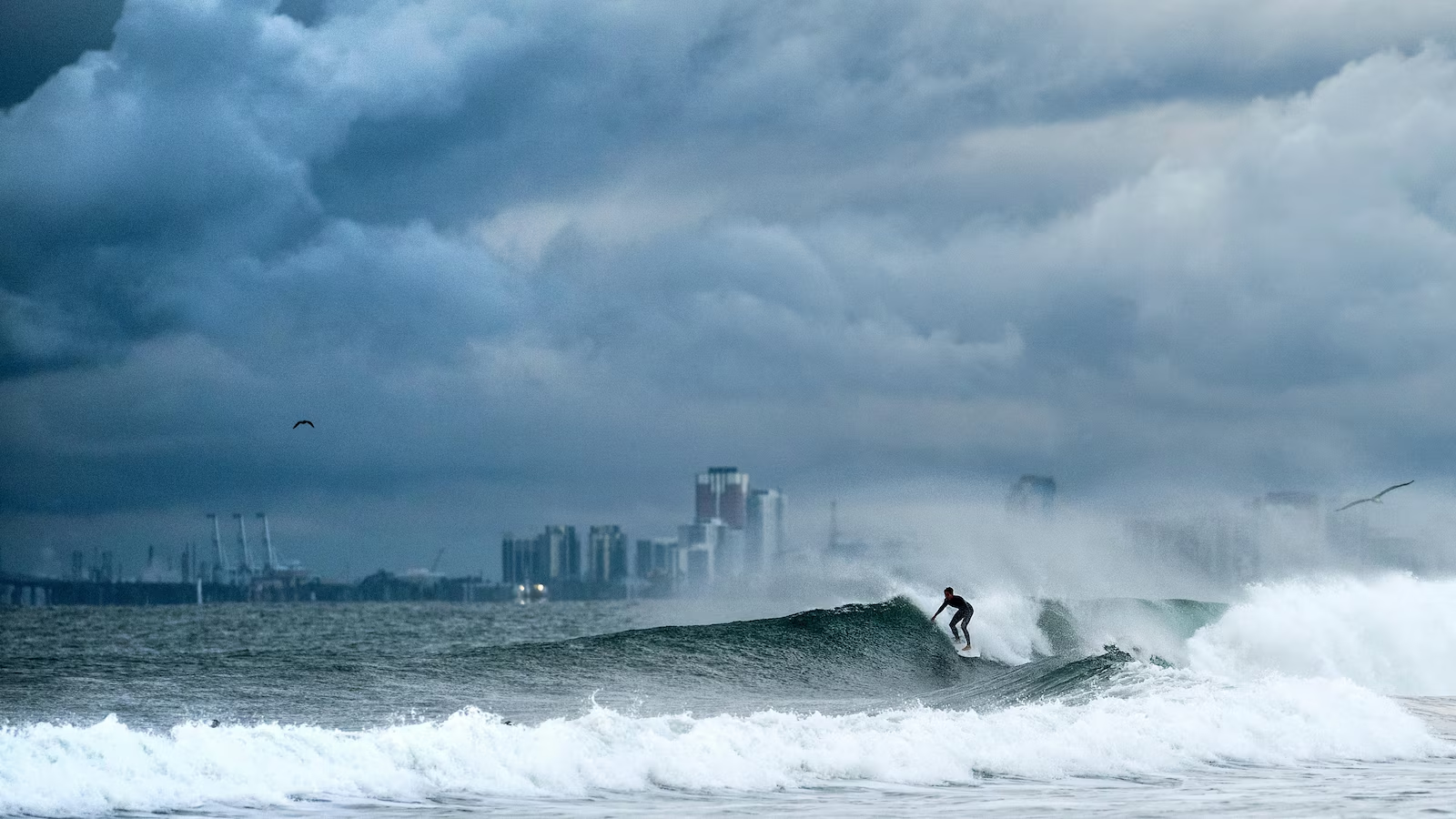
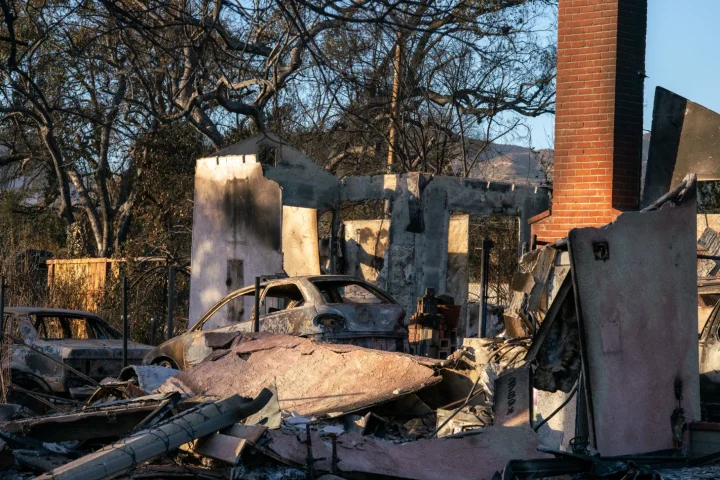
Southern California experienced an intense winter storm this holiday season, with heavy rainfall, gusty winds, and hazardous travel conditions affecting millions. The storm, which began on December 23, 2025, brought about evacuation warnings, flash floods, and mudslides across the region. As millions of holiday travelers braved the weather, many areas saw flash flooding, road closures, and damage from powerful winds. This storm, powered by an atmospheric river, set the stage for one of the wettest Christmas seasons in recent years, with several regions under severe weather warnings.
Heavy Rainfall and Flash Flooding in Southern California:
Southern California’s holiday was marked by heavy rains and rapidly worsening conditions. The region saw rainfall amounts that far exceeded typical seasonal levels, with forecasts predicting up to 8 inches of rain in some areas. In many places, this rainfall came fast and hard, leading to swift evacuations and widespread concerns about flooding.
Cities like Malibu, Altadena, and Wrightwood were especially vulnerable, with evacuation orders and warnings issued to keep residents safe from flash floods and mudslides. Wrightwood, a mountain resort town in the San Gabriel Mountains, experienced the worst of the storm, with debris and mud racing down streets in videos shared by fire officials.
“We’re in the middle of it,” said local officials as they worked to evacuate homes in the area. “The risk of debris flow from this storm is high, and we are taking all necessary precautions.”
Emergency Response and Evacuations:
As the storm continued to wreak havoc, the Los Angeles Fire Department and emergency responders across the region worked tirelessly to ensure the safety of residents. A dramatic rescue unfolded early Wednesday morning when a man was pulled from a drainage tunnel in northwest Los Angeles after being swept toward a river. Though no injuries were reported, the close call highlighted the dangers posed by rapidly rising waters.
Further inland, residents of Altadena, a community in the foothills of the San Gabriel Mountains, prepared for the worst. Family members like Mike Burdick were ready to evacuate at a moment’s notice, having already stocked up on sandbags to protect their homes from floodwaters. With heavy rain continuing through the night, many families sought shelter or gathered their belongings, preparing for potential displacement.
Hazardous Travel Conditions:
As the storm intensified, travel became increasingly dangerous. In parts of the Sierra Nevada, “near white-out conditions” were reported, making mountain passes nearly impassable. The California Highway Patrol issued warnings for motorists to stay off the roads as winds reached speeds of 60 mph along the coast and snow piled up in the mountains.
A fatal crash south of Sacramento underscored the perilous travel conditions. The driver lost control of their vehicle on wet roads, leading to a tragic accident. Additionally, several flights out of Los Angeles and San Francisco airports were delayed due to the storm’s impact on visibility and ground conditions.
Atmospheric River and Snow in the Mountains:
The powerful storm was fueled by an atmospheric river, which is a long, narrow band of water vapor that transports moisture from the tropics. This phenomenon, which brought heavy rain to coastal and lower-lying areas, also caused heavy snowfall in the mountains. Up to 2 inches of snow per hour fell in the Sierra Nevada, contributing to the challenging driving conditions in the higher elevations.
While rain caused flooding at lower altitudes, snow accumulation in the mountains raised the avalanche risk in areas like Lake Tahoe. The Sierra Avalanche Center issued warnings for significant snow slides in the region, which could have serious consequences for skiers and snowboarders.
State of Emergency Declared:
In response to the storm’s widespread impact, California Governor Gavin Newsom declared a state of emergency in six counties, including Los Angeles, Riverside, and San Bernardino. This declaration allowed the state to mobilize additional resources to assist with recovery efforts, including deploying the National Guard to affected areas.
“We are fully committed to supporting our local communities and first responders,” Governor Newsom stated. “California will not stand idly by in the face of this disaster.”
Looking Ahead:
As the storm moves out, Southern California faces several more days of hazardous conditions. Forecasters warn of continued flash flood risks and the potential for additional rainfall as the storm system weakens. Emergency services remain on high alert, and residents are advised to stay informed about evacuation orders and weather warnings.
Despite the heavy rains, experts anticipate that the storm will have some long-term benefits for California’s water supply, particularly in regions struggling with drought. The snowpack in the Sierra Nevada is expected to help replenish reservoirs in the coming months, which could ease the state’s water scarcity concerns.
The powerful storm that swept across Southern California this holiday season serves as a reminder of the unpredictable nature of the state’s weather. While some areas are still reeling from the damage caused by flooding, mudslides, and strong winds, others are looking to the future, hopeful that the storm’s benefits for the state’s water reserves will outweigh the immediate devastation. As the storm finally moves out of the region, California residents are left to pick up the pieces, knowing that the worst may be over, but the recovery process is just beginning.