For the first time in 25 years, the entire state of California is completely free of drought. According to the latest U.S. Drought Monitor report, no region is classified as “abnormally dry” or in drought. The last time California achieved this status was in December 2000. This milestone follows a series of intense winter storms that delivered heavy rain and snow across the state in recent weeks.
The Impact of Recent Winter Storms
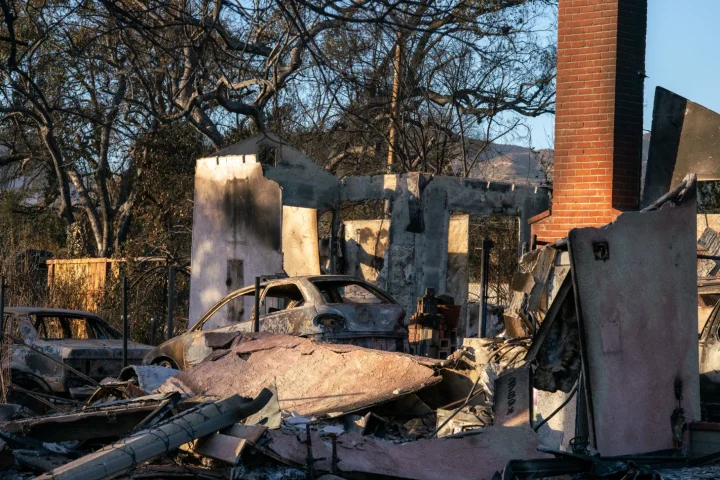
A succession of atmospheric river storms battered California starting in late December. Northern areas received up to 7 inches of precipitation, while Southern California saw up to 4 inches. Another round of heavy rain and flooding hit around New Year’s Day. Consequently, these events collectively boosted the state’s 17 major reservoirs to 129% of their average levels. However, the storms also caused significant flooding and property damage, with some communities still recovering.
Snowpack: A Crucial Water Source Lags Behind
Despite the precipitation, California’s Sierra Nevada snowpack remains below average. As of late December, the statewide snow-water equivalent was 6.5 inches, just 71% of the normal level for that time. The snowpack is vital, supplying about 30% of California’s annual water needs. State hydrologists emphasize it is still early in the season. The biggest snow-producing months—January, February, and March—are still ahead. Officials hope a consistent storm pattern will build the snowpack sufficiently for the dry summer months.
Contrast with the Broader Western United States
While California celebrates its drought-free status, much of the Western U.S. faces a severe “snow drought.” States including Utah, Nevada, Colorado, Arizona, and New Mexico report snowpack levels far below normal. In Utah, 93% of the state remains in drought, with snowpack at record lows. Monitoring stations across several states show snow-water equivalent readings below the 20th percentile, indicating widespread dry conditions. For detailed drought tracking, the U.S. Drought Monitor provides ongoing updates.
Managing Water in a Time of Extremes
California’s situation highlights the increasing volatility of Western water resources. The state swings from extreme drought to destructive floods, complicating long-term water management. Full reservoirs offer short-term security, but a subpar snowpack threatens the summer supply. Water managers must balance flood control with conservation, storing excess rain for later use.
A Temporary Respite with Future Uncertainty
California’s drought-free status is a significant but fragile achievement. It provides relief for water managers and agriculture after years of scarcity. However, the below-average snowpack serves as a caution. The state’s water security for 2026 still depends heavily on winter and spring storms. Meanwhile, the stark contrast with other Western states underscores the uneven impacts of climate patterns. California must use this reprieve to bolster resilience against the next inevitable dry cycle, investing in infrastructure and conservation to navigate an era of weather extremes.