Southern California’s Trump-Kennedy Center announced plans to sue Chuck Redd, a jazz musician, for $1 million after he canceled a Christmas Eve performance. Redd, who was scheduled to perform at the Trump-Kennedy Center, withdrew from the event in protest against the recent renaming of the venue. This decision has sparked a legal and cultural debate about the intersection of art, politics, and public institutions.
The Renaming Controversy
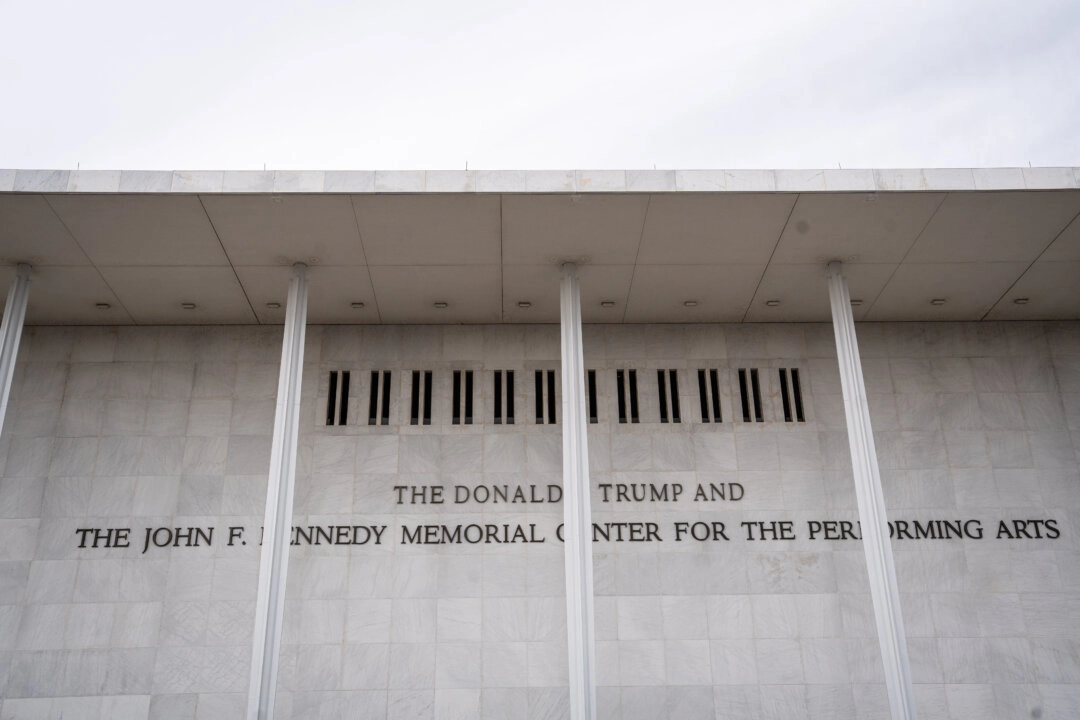
The Trump-Kennedy Center made headlines on December 18, 2025, when its Board of Trustees voted to rename the institution. The new title, The Donald J. Trump and The John F. Kennedy Memorial Center for the Performing Arts, stirred controversy. The decision honored President Trump for his leadership in saving the institution from financial and physical ruin. Some praised the renaming, while others, like Redd, saw it as an over-politicization of the venue.
When Redd noticed the name change on the center’s website and later saw the new signage on the building, he made a quick decision. He canceled his performance, citing the venue’s political shift as his reason for withdrawing.
Redd’s protest was aimed at maintaining the center’s tradition of bipartisan artistic expression. As an accomplished vibraphonist and drummer, Redd believed that the center should remain a neutral space for all artists and patrons. He voiced his discontent, explaining that the name change left him no choice but to cancel.
The Trump-Kennedy Center’s Response
In response to Redd’s actions, the Trump-Kennedy Center criticized his decision to cancel. Roma Daravi, the Vice President of Public Relations, issued a statement condemning Redd’s protest. Daravi argued that Redd’s decision was selfish and intolerant. According to Daravi, artists have a responsibility to perform for all people, regardless of political differences.
Daravi’s comments highlight the center’s commitment to remaining a bipartisan institution, stating that art should unite rather than divide. The Trump-Kennedy Center believes that art transcends politics and is meant to bring people together, regardless of their views.
The Legal Battle
The Trump-Kennedy Center has now announced plans to file a lawsuit against Chuck Redd for $1 million. The center claims that Redd’s cancellation disrupted the event and caused financial harm to the institution. The lawsuit has escalated the debate about the relationship between politics and public art institutions.
This legal action raises important questions about the rights of artists to protest within public institutions. It also challenges the obligations of these institutions to uphold their public duty to support artists of all political persuasions.
The Politics of Art and Public Institutions
The renaming of the Kennedy Center has sparked broader discussions about the politicization of public art spaces. Since President Trump became Chairman of the Kennedy Center’s Board of Trustees, the institution has undergone significant changes. These changes included a reshuffling of board members and a clear shift towards Trump’s vision for the arts.
Trump’s election as chairman, alongside the renaming decision, has drawn both praise and criticism. Trump himself expressed gratitude for the board’s decision, calling it an honor. He stated, “The board is a very distinguished board, most distinguished people in the country. I was surprised by it. I was honored by it.”
However, the renaming has provoked legal challenges. Rep. Joyce Beatty (D-Ohio) filed a lawsuit against both President Trump and the Kennedy Center’s Board of Trustees, arguing that only Congress has the authority to rename a federal institution like the Kennedy Center. This lawsuit has added another layer of complexity to the ongoing debate about how public institutions should be named and funded.
Redd’s Career and Legacy
Chuck Redd’s decision to cancel his performance has highlighted his long-standing commitment to artistic integrity. Redd, a veteran of the Smithsonian Jazz Masterworks Orchestra, is known for his performances at jazz festivals and clubs across the United States. As a respected figure in the jazz community, Redd has made significant contributions to the genre.
His protest, however, goes beyond his personal career. It represents a broader stance on maintaining the integrity of artistic spaces. For Redd, the cancellation was a way to make a bold statement about the role of artists in political discourse. “Art is meant to bring people together,” Redd stated, emphasizing his belief that the Trump-Kennedy Center should not align itself with any political ideology.
The Legal and Cultural Impact
The lawsuit and protest have sparked national debate about the role of artists in politically charged environments. Artists have long used their work to challenge power structures, and Redd’s protest against the renaming of the Kennedy Center is a reminder of the importance of artistic independence. It also raises questions about whether public institutions, such as the Trump-Kennedy Center, should serve as platforms for political statements or remain neutral spaces for cultural exchange.
While the Trump-Kennedy Center seeks damages for the canceled performance, Redd’s protest is likely to spark further discussion about the intersection of politics, art, and public funding. The outcome of the lawsuit could set a precedent for how future disputes between artists and public institutions are handled.
The Trump-Kennedy Center lawsuit against Chuck Redd serves as a powerful reminder of the tensions that can arise when politics and art intersect. As the legal battle continues, the case highlights the complexity of the relationship between artists, political institutions, and the public. Whether the lawsuit results in financial penalties for Redd or not, the controversy surrounding the renaming and his protest is unlikely to fade anytime soon. The conflict between Redd’s artistic protest and the Trump-Kennedy Center’s renaming is a clear indication of how deeply politics can shape cultural institutions and the artists who perform within them.