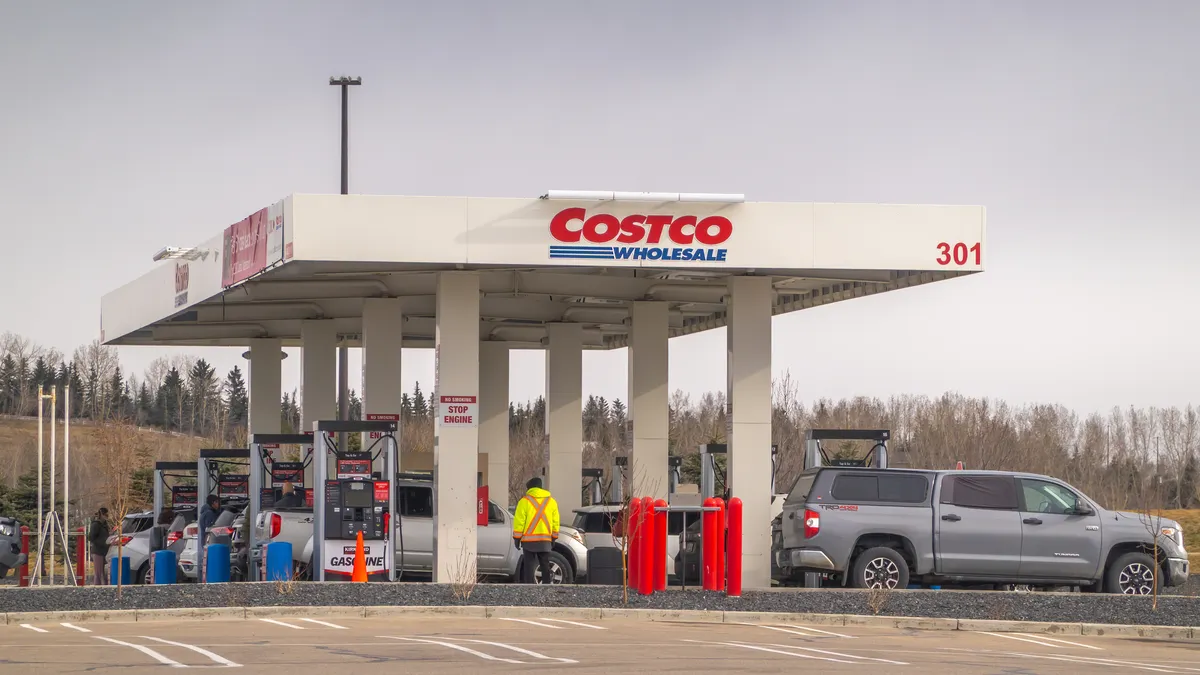
Costco standalone gas station expansion is gaining momentum as the retailer prepares to open its first fuel-only location in California. This move marks a clear shift in how the company delivers fuel services. Costco has long tied its fuel stations to warehouse stores. Now, it is testing a new model that focuses only on fuel.
The company plans to open the first station in Mission Viejo by the end of June. This site will feature 40 gas pumps, making it the largest fuel facility Costco has built so far. The scale shows strong confidence in demand for affordable fuel. It also signals a push toward high-volume operations.
This change reflects a new direction in the Costco standalone gas station strategy. In the past, fuel stations helped drive customers into warehouses. Now, standalone sites can reach drivers who may not shop inside Costco stores. This approach expands the company’s reach while keeping its value promise intact.
City officials confirmed the Mission Viejo project and its location at 25732 El Paseo. They expect the station to open to the public by June 2026. The large number of pumps will help reduce waiting times. It will also improve traffic flow compared to smaller stations.
Costco is also planning a second Costco standalone gas station in Hawaii. The company expects to open it in 2027. This location will sit in Kalihi, a neighborhood in Honolulu. It will stand at the junction of Dillingham Boulevard and Colburn Street.
The Hawaii station forms part of a larger redevelopment project called ʻŌlauniu at Kapālama Kai. This project aims to transform the former Dillingham Plaza into a mixed-use hub. It will include retail stores, dining areas, offices, and community spaces. The addition of a fuel station brings practical value to the area.
Developers began demolition and site preparation in October 2025. Work has continued steadily since then. Project leaders plan to engage the local community during the approval process. This step ensures the project meets both economic and cultural needs.
The Costco standalone gas station concept fits well within this development. It supports better traffic movement and easier access to fuel. It also adds convenience for residents, workers, and visitors. The design aims to improve circulation across the area.
Costco’s decision reflects changes in customer behavior. Many drivers now value speed and convenience when buying fuel. They want quick access without long queues. Standalone stations can meet this demand more effectively than warehouse-based ones.
This strategy also strengthens Costco’s core brand. The company has built its reputation on low prices and consistent value. Fuel plays a key role in that promise. By expanding its fuel network, Costco reinforces customer loyalty.
Large fuel stations also improve efficiency. More pumps allow faster service and higher customer turnover. This setup reduces costs per transaction. It also helps Costco maintain competitive pricing.
The California and Hawaii locations will likely serve as test cases. Costco can study performance and refine its model. If results meet expectations, the company may expand further. Urban and suburban areas with heavy traffic may become key targets.
At the same time, Costco is moving carefully. It is not launching many stations at once. Instead, it is focusing on a few strategic locations. This approach allows better control and lower risk. It also gives time to adjust operations if needed.
The Costco standalone gas station expansion also increases competition in the fuel market. Traditional fuel retailers and convenience chains now face a strong competitor. Costco’s pricing power and loyal customer base give it an advantage.
This move may also influence the wider retail industry. Other companies could explore similar models. Standalone fuel stations may become more common if this approach succeeds. Costco’s early move could shape future trends.
Looking ahead, the Costco standalone gas station strategy signals a major shift. The company is separating fuel from its warehouse model. This change opens new growth opportunities. It also improves access and convenience for customers.
As the first station nears completion in California, attention will turn to its performance. The Hawaii project will follow soon after. Together, these sites will test the future of Costco’s fuel business. If successful, they could redefine how the company serves drivers across key markets.