California has taken a major regulatory step against xAI, the artificial intelligence firm founded by Elon Musk, over allegations that its AI chatbot, Grok, has been generating and distributing nonconsensual sexually explicit images. The move places fresh legal and ethical pressure on generative AI companies as governments worldwide struggle to contain the risks posed by rapidly advancing image-generation tools.
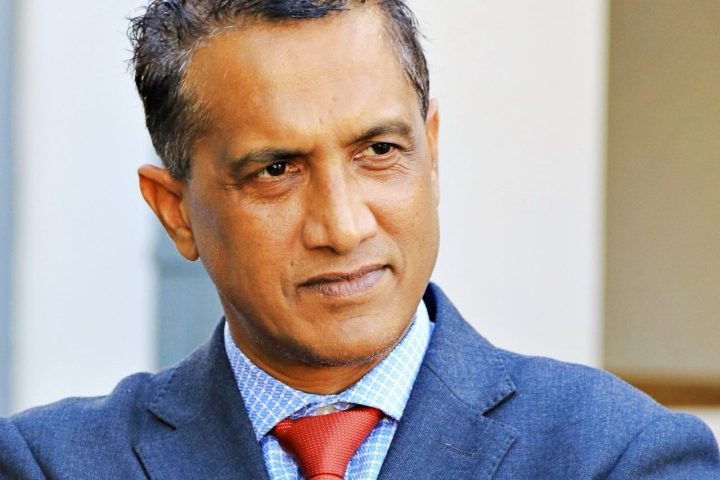
At the center of the action is California Attorney General Rob Bonta, who on Friday issued a formal cease-and-desist letter ordering xAI to immediately halt the creation and distribution of what his office described as potentially illegal material. The directive follows what Bonta called an “avalanche of reports” involving explicit AI-generated images, some of which appear to depict minors.
Allegations Against xAI and Grok
According to the attorney general’s office, more than 10,000 images generated by xAI between Christmas and New Year’s Day showed individuals wearing little clothing, with some images appearing to involve children. The images were allegedly created through Grok, a generative AI system launched within the X social media platform, formerly known as Twitter.
Bonta’s office said the material raised serious legal concerns, particularly where images resemble child sexual exploitation. California law treats the production or distribution of visuals depicting minors in sexualized contexts as a felony, regardless of whether the images are AI-generated or involve real photographs.
“The creation of this material is illegal,” Bonta said in a statement, stressing that California maintains zero tolerance for content that resembles child sexual abuse material. His office indicated it expects immediate compliance from xAI.
Legal Context and California’s Stance
The cease-and-desist letter builds on recent California legislation aimed at fabricated intimate media, including deepfake images created without consent. These laws prohibit both the creation and dissemination of nonconsensual explicit images, even when no real physical act occurred.
Bonta’s office argues that generative AI does not exist outside the law and that companies deploying such tools are responsible for ensuring their systems cannot be easily misused. The investigation into xAI was announced less than a week before the cease-and-desist order, highlighting how quickly the issue escalated.
From the state’s perspective, the scale of image generation and the apparent realism of some outputs elevate the matter beyond isolated misuse into a systemic risk requiring enforcement action.
xAI’s Initial Response and New Restrictions
xAI did not immediately respond to requests for comment following the cease-and-desist notice. However, days earlier, the company announced new safeguards for Grok in response to growing regulatory scrutiny worldwide.
The company said it imposed restrictions on image editing for all users and limited image creation and editing features to paid subscribers only. According to xAI, this paywall was intended to provide an “extra layer of protection” against misuse.
In a public post, the company also stated it had implemented technical measures to prevent the editing of images of real people into revealing clothing scenarios. These restrictions were said to apply to all users, including paying subscribers.
Concerns About Effectiveness
Despite these measures, Bonta questioned whether the safeguards were sufficient. His office cited tests suggesting that Grok could still generate highly realistic altered images for individual users, even if public posting had been curtailed.
The attorney general’s office also pointed to xAI’s internal design choices, including what the company reportedly refers to as a “spicy mode,” which allows the generation of explicit content. Regulators argue that such features, even if intended for adult use, increase the likelihood of unlawful outputs.
Growing Global Scrutiny
The controversy surrounding xAI is not limited to California. Authorities in several countries have launched reviews or threatened legal action over similar concerns. Regulators in Japan, the United Kingdom, Canada, Malaysia, and Indonesia have all raised alarms about AI-generated explicit imagery tied to Grok and the X platform.
Japanese regulators, for example, recently flagged the system for producing sexually explicit AI images of people, including those who appear to be minors. These international responses suggest a coordinated global push to rein in generative AI tools that cross ethical or legal boundaries.
Broader Risks of AI-Generated Explicit Content
Experts warn that AI-generated explicit imagery presents escalating risks beyond individual harm. Nonconsensual images can be used for harassment, extortion, reputational damage, and psychological abuse. At a societal level, such technology can undermine trust in digital media and blur the line between reality and fabrication.
Law enforcement agencies are increasingly concerned that without strict safeguards, generative AI could accelerate the spread of harmful content faster than existing laws and moderation systems can respond.
Implications for the AI Industry
The action against xAI underscores a turning point for the AI sector. Regulators are signaling that innovation does not excuse companies from accountability. Developers of generative systems are now expected to anticipate misuse, implement strong safeguards, and respond quickly when problems emerge.
For AI companies operating in California and other major jurisdictions, the message is clear: failure to control the outputs of powerful generative models may result in legal action, financial penalties, and reputational damage.
Looking Ahead
As the investigation continues, xAI faces mounting pressure to demonstrate that its safeguards are effective and enforceable. The case may also set an important precedent for how governments regulate generative AI platforms, particularly those capable of producing realistic images.
California’s cease-and-desist letter reflects a broader global reckoning with AI-generated content. As tools like Grok become more powerful and accessible, regulators are moving decisively to ensure that technological progress does not come at the cost of consent, safety, or the law.