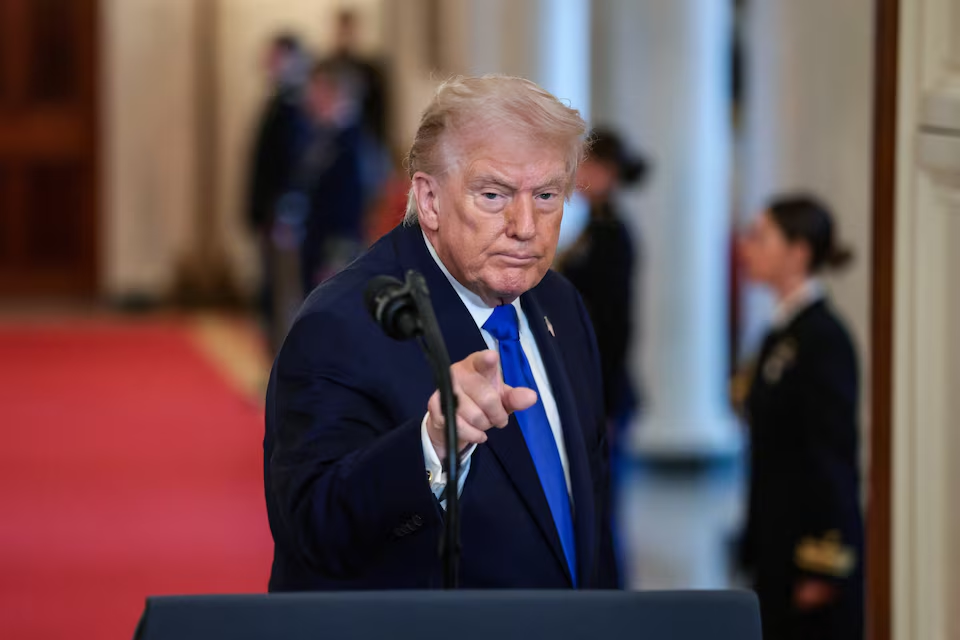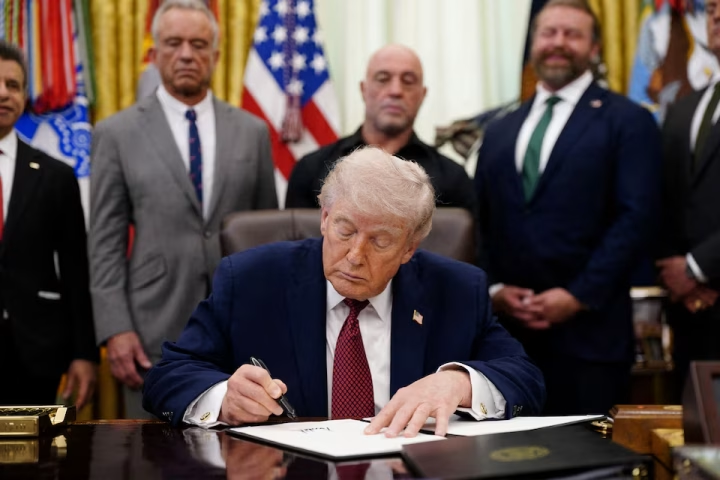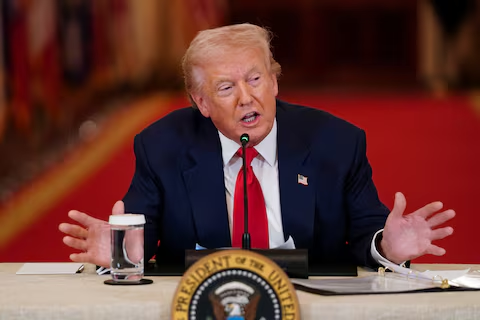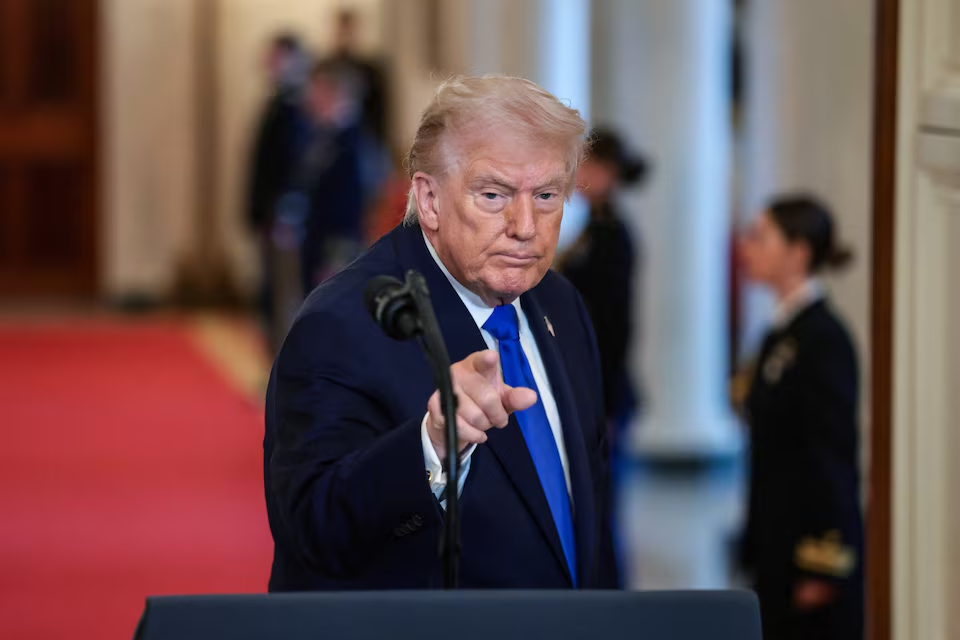
President Donald Trump will deliver the traditional State of the Union address to Congress on Tuesday at a fraught moment for his presidency. His approval ratings are slumping as Americans struggle with cost-of-living concerns. Anxieties over Iran continue to rise with military tensions escalating. The November midterm election approaches, adding political stakes to the address.
The televised prime-time speech to Congress marks his second since returning to the White House 13 months ago. It offers Trump a chance to persuade voters to keep Republicans in power. However, he faces stiff political headwinds at home and abroad. The State of the Union address comes at a critical juncture for his administration.
Turbulent Week Precedes Address
The appearance follows a turbulent few days for the administration. The Supreme Court issued a decision invalidating Trump’s global tariff regime. New economic data showed the economy slowed more than expected while inflation accelerated. These developments complicate the president’s messaging strategy heading into the speech.
The Department of Homeland Security is mostly shut down due to a dispute between congressional Republicans and Democrats. The disagreement centers on the administration’s aggressive immigration tactics following the fatal shootings of two US citizens in Minneapolis. This shutdown adds another layer of political tension.
A Reuters/Ipsos poll showed six in ten Americans, including 30 percent of Republicans, think Trump has become erratic as he ages. This perception challenge follows him into the State of the Union address. The president must navigate these concerns while projecting strength and competence.
Iran Conflict Takes Center Stage
Trump, who has openly coveted the Nobel Peace Prize, appears to be inching closer to military conflict with Iran over its nuclear program. The administration has moved warships to the Middle East and developed plans that could include regime change, according to US officials. These actions signal escalating tensions in the region.
Tuesday’s speech could offer Trump a chance to mount a public case for military intervention for the first time. Two White House officials, speaking on condition of anonymity, said Trump will discuss his plans but did not offer details. The State of the Union address provides a platform to shape public opinion on potential conflict.
He will also tout his record of brokering peace deals, the officials said. He will be speaking on the fourth anniversary of Russia’s invasion of Ukraine. This timing serves as a reminder that he has yet to resolve the war he once said he could end in 24 hours. The contrast between promise and reality may draw attention.
Supreme Court Tariff Ruling Addressed
The president is expected to address the Supreme Court’s decision on tariffs during his State of the Union address. He will argue that the court erred in its ruling. He will outline alternative laws he can use to reconstitute most of the levies. This response signals determination to continue his trade agenda despite judicial setback.
Trump reacted with fury to the ruling last week, targeting several justices with personal attacks. A repeat performance on Tuesday could make for awkward moments. At least some of the court’s nine justices are expected to attend the address. Their presence creates potential for uncomfortable interactions.
The tariff dispute highlights ongoing tension between executive authority and judicial review. Trump has frequently challenged judicial constraints on presidential power. The State of the Union address offers a platform to make his case directly to the American people.
Economic Messaging Challenges
White House aides and Republican campaign advisers have urged Trump to focus on Americans’ economic worries. His victory in the 2024 election was based largely on promises to ease the cost of living. However, opinion polls show voters remain unconvinced by his efforts so far. This disconnect threatens Republican prospects in midterm elections.
Trump has struggled to stay on message in public appearances. He often strays from economic topics to his long list of grievances. At other times, he declares he has already solved the problem. This inconsistency undermines efforts to build voter confidence.
One White House official said Trump will claim victory on the economy during his State of the Union address. Republican lawmakers running for reelection are unlikely to welcome this message. They face voters directly concerned about continuing affordability challenges.
Trump will argue that he inherited a poor economy from Democratic predecessor Joe Biden. He will claim that Democrats have overstated affordability concerns, both officials said. This framing attempts to shift blame while minimizing voter anxieties.
The president will point to stock market gains, private-sector investments and his tax cut legislation as evidence of economic success. He will also tout his tough border policies and deportation campaign. This occurs despite polls showing most Americans believe his administration has gone too far in rounding up undocumented immigrants.
Length and Style Concerns
Trump, who has a propensity for ad-libbing, said on Monday his address would be lengthy. His 100-minute speech last March was technically not a State of the Union address but otherwise similar. It was the longest presidential address to Congress in modern history. This history raises questions about discipline and focus.
Amanda Makki, a Republican strategist and former Florida congressional candidate, emphasized the speech’s importance. “This is the one opportunity the president has where the whole world is looking at what he has to say,” she said. “This is his opportunity to summarize everything that he’s done and not go off script.”
The White House officials said this year’s edition was crafted with room for unscripted moments. “We are planning around it,” one official said. This approach acknowledges Trump’s speaking style while attempting to maintain message discipline. The State of the Union address will test whether this balance succeeds.
Democratic Response Planned
Last year, some Democrats interrupted Trump’s speech with jeers before walking out in protest. This time around, more than 20 Democrats in the House and Senate plan to skip the speech altogether. They will attend an outdoor rally on the National Mall instead. This boycott signals continued opposition to Trump’s presidency.
Senator Jeff Merkley of Oregon, one of those Democrats, told reporters the event would offer a more honest description of Trump’s record. He contrasted this with the propaganda push of the speech. This framing sets up competing narratives around the address.
Virginia Governor Abigail Spanberger will deliver the official Democratic response to the speech. Her decisive victory in November was seen as an early midterms warning sign for Republicans. This selection signals Democratic confidence in her appeal.
Democratic US Senator Alex Padilla of California will give the Spanish-language rebuttal. Padilla was shoved to the ground and handcuffed last year after attempting to question Homeland Security Secretary Kristi Noem at a press conference. His role adds personal dimension to the political response.
Scandals and Distractions
Trump has struggled to turn the page on the scandal surrounding convicted sex offender Jeffrey Epstein. Opposition Democrats have invited several people who accuse Epstein of abusing them to the speech. Their presence creates potential for uncomfortable moments and media attention.
The White House official said Trump will announce a plan requiring tech companies to pay increased electricity costs in communities where new AI data centers are built. This proposal addresses growing concerns about AI infrastructure demands. Fox News anchor Bret Baier said Trump will also call for new personal and corporate tax cuts. These policy announcements aim to demonstrate forward-looking governance.
The State of the Union address represents a critical moment for the Trump presidency. It offers opportunity to reset narrative and address concerns. However, political headwinds, international tensions and domestic challenges complicate this task. How Trump navigates these crosscurrents will shape perceptions heading into midterm elections.