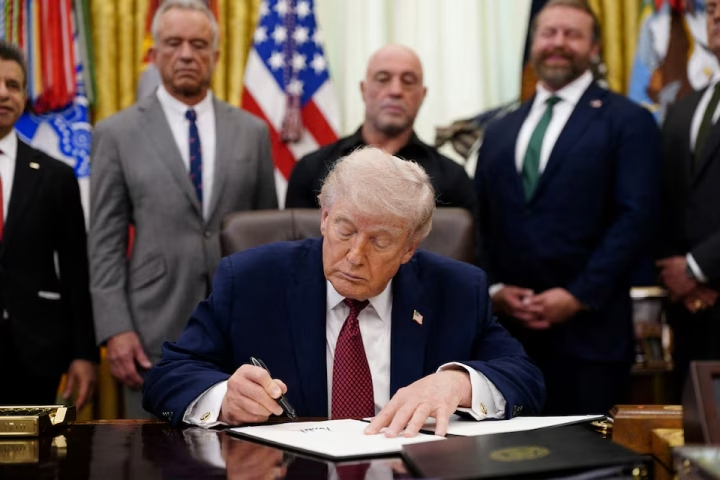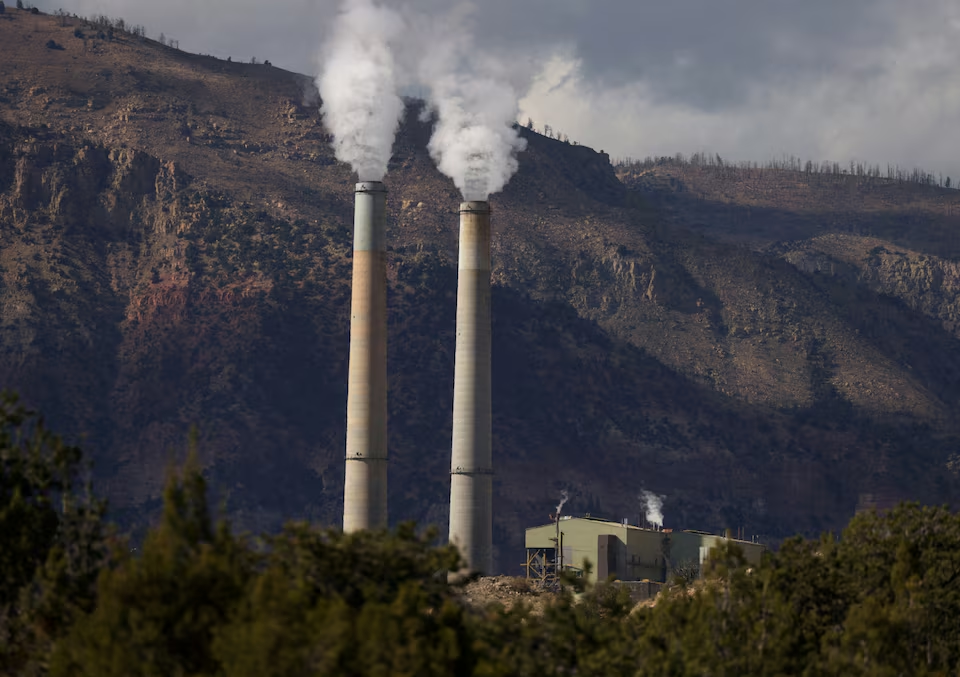
The Trump administration’s Environmental Protection Agency announced on February 20, 2026, a significant mercury limits rollback for coal-fired power plants. Officials revealed the decision during an event in Kentucky, framing it as essential to support rising energy demands.
The move targets updates to the Mercury and Air Toxics Standards originally strengthened in 2024 under the previous administration. Those updates aimed to further reduce emissions of mercury and other hazardous pollutants from power plants.
EPA leaders argue the changes will lower compliance costs for utilities operating older coal facilities. They point to surging electricity needs driven by data centers for artificial intelligence and other high-demand sectors.
President Trump has emphasized keeping coal plants online to ensure reliable baseload power. His administration declared an energy emergency in 2025, which facilitated exemptions for dozens of facilities from certain air rules.
Health Concerns Rise Over Mercury Limits Rollback
Environmental and public health organizations strongly oppose the mercury limits rollback. They highlight mercury as a potent neurotoxin that accumulates in the environment and food chain.
Particularly at risk are pregnant women and young children. Exposure can lead to developmental issues, including impaired brain function in infants.
Groups like the Environmental Defense Fund note that the 2024 standards would have cut allowable mercury emissions by 70 percent. They also projected reductions in other toxics such as arsenic, lead, and nickel by about two-thirds.
These measures promised health cost savings estimated at $420 million through 2037. Critics now fear increased pollution-related illnesses and higher long-term medical expenses.
Background on Air Toxics Regulations
The Mercury and Air Toxics Standards trace back to 2012, when the Obama administration first implemented controls on hazardous emissions from coal and oil-fired plants. Courts upheld the framework despite challenges.
The 2024 updates built on that foundation with tighter limits and improved monitoring. However, industry groups and some states argued the costs outweighed benefits.
The Supreme Court declined to halt the rules during legal challenges. This allowed them to remain in effect until the recent announcement.
Coal plants rank among the top sources of mercury and other air toxics nationwide. These pollutants include acid gases, benzene, and formaldehyde, which pose risks to respiratory and cardiovascular health.
Administration’s Energy Policy Context
The mercury limits rollback aligns with broader efforts to bolster fossil fuel production. Trump has directed actions to maintain aging coal infrastructure amid competition from renewables and natural gas.
In 2025, the administration granted two-year exemptions to 68 coal plants via email requests. Some facilities received broader relief than requested.
Additional steps include repealing the endangerment finding for greenhouse gases. This limits EPA authority over carbon emissions.
The Pentagon received instructions to purchase power from coal sources. Such policies aim to meet growing demand without heavy reliance on intermittent renewables.
Utilities face pressure to keep plants operational longer. Many older units were slated for retirement due to economics and regulations.
Reactions from Stakeholders
Industry representatives welcome the mercury limits rollback. They describe it as relief from burdensome requirements that could force premature closures.
Utility operators argue compliance expenses strain resources needed for grid reliability. They link relaxed rules to affordable energy for consumers.
Environmental advocates counter that short-term savings ignore public health impacts. They predict disproportionate effects on communities near coal facilities, often low-income or minority groups.
Scientific consensus supports strict controls on mercury emissions. Studies show reductions achieved since 2012 have lowered blood mercury levels in vulnerable populations.
Potential Broader Implications
The decision may influence future regulatory approaches to industrial pollution. It signals priority on energy production over stringent environmental safeguards.
Legal challenges appear likely. Past rollbacks faced court scrutiny, with outcomes varying by administration.
Monitoring and enforcement could shift if standards weaken. States retain authority to impose stricter measures in some cases.
Public awareness of air quality issues continues to grow. Discussions around balancing energy security with health protection remain active.
As implementation details unfold, stakeholders on all sides will track effects on emissions, costs, and community well-being. The mercury limits rollback represents a key development in ongoing debates over coal’s role in America’s energy future.