New York and New Jersey have asked a federal judge to intervene because the Trump administration has not released frozen funding for the Hudson Tunnel Project. The states filed an urgent request on Friday. They seek a hearing over the $205 million in federal funds. The money remains frozen despite a court order requiring its release. Consequently, construction on the critical infrastructure project has halted. A U.S. appeals court on Thursday declined to undo the lower court order mandating the funding. However, the administration has not transferred the money. The states informed U.S. District Judge Jeannette Vargas that the Transportation Department now claims “additional processes are needed.” Even after completing those, the Treasury Department could take another one or two days.
The Hudson Tunnel Project is a $16 billion infrastructure program. It aims to repair and replace aging rail tunnels under the Hudson River. These tunnels are vital for commuter and intercity rail between New Jersey and Manhattan. They were severely damaged during Hurricane Sandy in 2012. The project is a core component of the broader Gateway Program. The federal funding in question was frozen in October. The freeze forced construction to halt last week. Thursday’s appeals court ruling appeared to clear the legal path for disbursement. Yet the administration has not complied, prompting the states’ new emergency motion. This delay threatens further project setbacks and cost overruns.
Legal and Procedural Dispute
The core issue is whether the administration is complying with a judicial order. The states argue that the Department of Transportation’s request for “additional processes” is unwarranted. They contend the court’s ruling is clear and immediate. The administration, however, appears to be drawing out procedural steps. This tactic effectively delays funding despite losing in court. The states want Judge Vargas to enforce her order directly. They may request sanctions or a contempt finding if the administration continues to stall. The dispute tests the limits of executive branch resistance to court-ordered spending. It also raises questions about whether the administration is using bureaucratic hurdles to circumvent judicial authority on a priority infrastructure project.
Importance of the Hudson Tunnel Project
The tunnel funding dispute carries enormous economic and safety implications. The existing North River tunnels are over 110 years old. They are the only rail link between New Jersey and Manhattan for Amtrak and NJ Transit. Any major failure would cripple commuter travel and the Northeast Corridor, the nation’s busiest rail line. The project involves building a new tunnel and rehabilitating the existing one. Delays escalate costs and prolong risks of a catastrophic shutdown. The Gateway Program has faced funding challenges for years. This latest political impasse threatens to undo progress and further strain regional commuters. Business groups and elected officials from both parties have consistently supported the project.
Political Context and Administration Stance
President Trump has had an inconsistent relationship with the Gateway Program. During his first term, his administration reportedly tried to slow its progress. The current funding freeze aligns with that historical skepticism. Trump has prioritized other infrastructure initiatives and often clashed with Democratic governors from New York and New Jersey. The administration’s legal position has been that it has discretion over funding disbursement, even when Congress appropriates money. Courts have increasingly rejected that broad interpretation. Friday’s filing brings the dispute back to Judge Vargas. It sets up another potential confrontation between the executive and judiciary branches over spending authority. The outcome will signal how far the administration will go to resist court orders on funding.
Impact on Construction and Workers
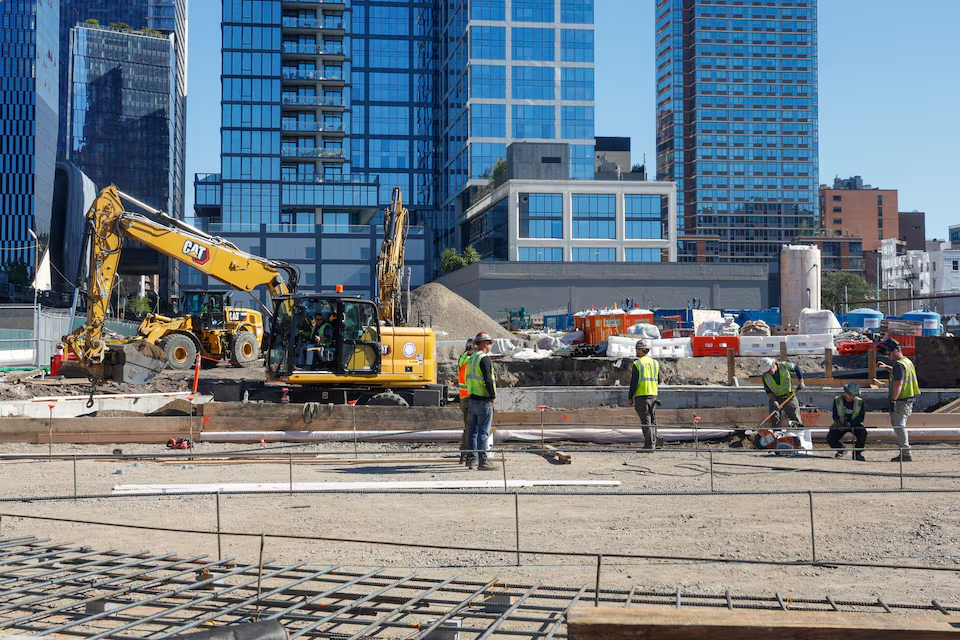
The funding freeze has already halted construction. Workers have been sent home from job sites. Contractors face uncertainty and potential financial losses. Each day of delay adds to the overall project cost. Supply chains for materials like steel and concrete are disrupted. If the impasse continues, subcontractors may leave for other jobs, making remobilization difficult. The project has strong labor union support. The halt threatens thousands of well-paying construction jobs. Regional economies that depend on commuter mobility also face long-term risks. The urgency of the states’ court filing reflects these immediate, tangible consequences. For workers and businesses, the legal battle is not abstract; it directly affects livelihoods and regional vitality.
Outlook and Next Steps
Judge Vargas must now decide how to respond to the states’ motion. She could order the administration to show cause for non-compliance. She might schedule a contempt hearing. Alternatively, she could issue a more specific directive mandating immediate transfer of funds. The Treasury and Transportation Departments will have to explain their “additional processes” and why they need more time. The states hope for swift judicial action to force compliance. If the administration continues to resist, the case could escalate to the Supreme Court on questions of executive spending authority. For commuters, businesses, and workers, the immediate hope rests on the judge’s willingness to enforce her order decisively. The tunnel funding fight has become a proxy battle over broader principles of governmental checks and balances, with the fate of critical infrastructure hanging in the balance.