Powerful Santa Ana winds are battering Southern California this weekend. Damaging gusts may reach 65 miles per hour in some areas. The National Weather Service has issued high wind warnings and advisories across multiple counties. Los Angeles, Ventura, Orange, Riverside, and San Bernardino counties are all under alert. These Santa Ana winds pose a serious threat of downed trees and power lines. Recent heavy rains have saturated the soil, increasing the danger. The situation creates a high risk of widespread power outages and hazardous travel conditions. Residents should prepare for potential damage and disruptions.
The strongest winds are targeting mountain, foothill, and valley communities. A High Wind Warning remains in effect for the San Gabriel Mountains. The Santa Susana Mountains and Highway 14 corridor are also included. Areas near Wrightwood, Mount Baldy, and Acton face gusts up to 65 mph. The Angeles Crest Highway is within the warning zone. A separate warning covers the San Bernardino County Mountains. Big Bear, Lake Arrowhead, and Crestline could see 55 mph gusts. These fierce Santa Ana winds began overnight and will persist through Sunday afternoon.
Elevated Risk From Saturated Ground
The current wind event is especially perilous due to recent storms. Soaked ground provides weak anchorage for tree root systems. This combination of high winds and wet soil raises the damage potential significantly. The National Weather Service explicitly warns of this increased likelihood. Falling trees can crush cars, damage homes, and sever power lines. Drivers must exercise extreme caution on area roadways. Major transport corridors like the Cajon Pass and Tejon Pass are high-risk zones. High-profile vehicles, such as trucks and SUVs, are particularly vulnerable to strong gusts.
Ongoing Wind Advisories and Impacts
Winds will weaken slightly later on Sunday. However, advisories will stay in effect through Monday. Northeast winds may still gust between 45 and 50 mph in many areas. This prolonged event keeps the threat of new outages alive. Residents should remain vigilant even as peak gusts diminish. The winds are expected to be a factor until Monday afternoon. A gradual weakening trend should begin early next week. Utility crews are likely on standby to respond to reports of downed lines. The widespread nature of the event could strain response resources.
Critical Safety Recommendations for Residents
Officials urge the public to take immediate protective actions. Securing outdoor items is a crucial first step. Patio furniture, trash bins, and holiday decorations can become dangerous projectiles. Avoid parking vehicles under trees or near limbs. Always watch for falling debris and downed power lines. Assume any fallen wire is live and extremely dangerous. Report outages and hazardous lines directly to your utility provider. Use extra caution while driving, especially on canyon roads and freeways. Reduce speed and maintain a firm grip on the steering wheel.
Understanding the Santa Ana Wind Phenomenon
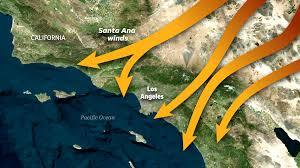
These dry, northeasterly winds are a classic regional weather feature. They form when high pressure builds over the Great Basin. The air descends and warms as it flows toward the coast. This process creates the characteristic hot, dry, and powerful gusts. The Santa Ana winds are most common during the fall and winter months. They significantly elevate the risk of wildfire spread during dry periods. In this instance, the prior rain reduces fire danger but increases tree-fall risk. The winds will also bring a sharp drop in humidity levels.
The community should prepare for possible extended power outages. Keep flashlights, batteries, and battery-powered radios accessible. Charge essential electronic devices like phones and medical equipment early. Have a supply of water and non-perishable food on hand. Check on neighbors, especially those who are elderly or vulnerable. Adhere to all official guidance from local authorities and weather officials. Staying informed through reliable sources is key during these dangerous conditions. The situation remains dynamic and requires continued public attention.