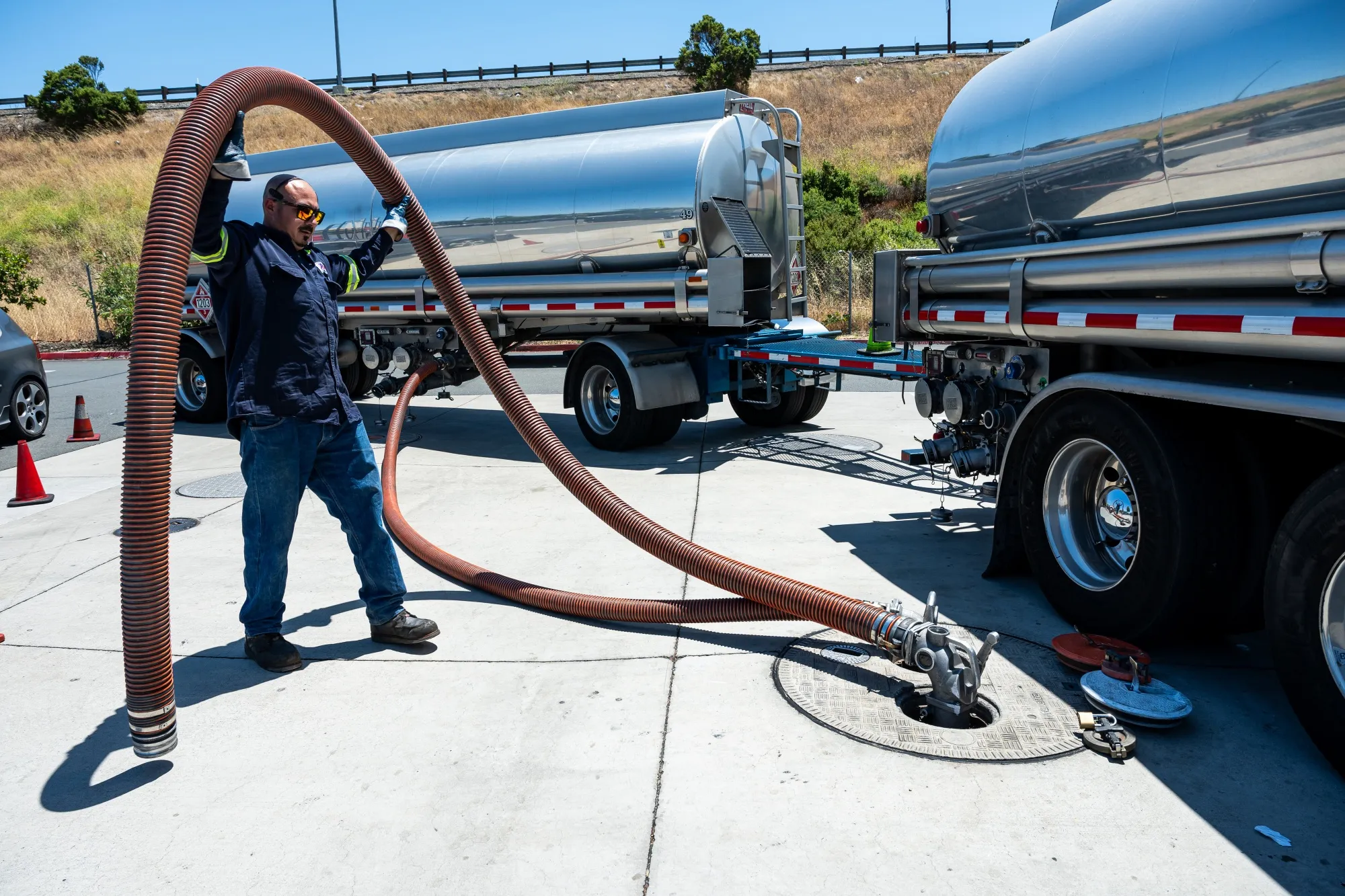
California gasoline imports Bahamas supplies have increased significantly as the state grapples with declining in-state refining capacity. Consequently, drivers face higher prices at the pump while policymakers debate the long-term implications of this shifting energy landscape. Indeed, this trend reflects broader challenges in balancing environmental goals with energy security and affordability.
Furthermore, California gasoline imports Bahamas routes have emerged as a practical solution to logistical constraints imposed by federal shipping regulations. Specifically, the Jones Act requires goods moving between U.S. ports to travel on American-built, owned, and operated vessels. Therefore, with limited compliant tankers available, fuel producers route gasoline through Bahamian ports to access more affordable international shipping options. Moreover, this workaround adds complexity and cost to the supply chain. As a result, these expenses ultimately reach consumers through elevated retail prices. Indeed, understanding this dynamic helps explain persistent price disparities between California and other states.
In addition, California gasoline imports Bahamas volumes reached historic levels last November, with over 40 percent of imported gasoline originating from the Bahamas. Consequently, this reliance on foreign transshipment highlights the state’s reduced self-sufficiency in fuel production. Furthermore, refinery closures such as Valero’s Benicia facility and Phillips 66’s Los Angeles plant have steadily diminished domestic processing capacity. Therefore, California now imports approximately 64 percent of its gasoline needs, compared to just 6 percent in 1982. Moreover, this dramatic shift underscores the tension between environmental policy and energy infrastructure. Indeed, maintaining strict emissions standards while ensuring reliable fuel supply requires careful strategic planning.
The economic impact of California gasoline imports Bahamas dependency extends beyond immediate price increases. Specifically, the average cost for regular gasoline now stands at $4.59 per gallon, up from $4.21 just one month prior. Therefore, households and businesses face higher operational expenses that ripple through the broader economy. Moreover, the price gap between California and the national average has widened from $0.25 in 2000 to $1.50 in 2025. Consequently, this disparity affects competitiveness for California-based industries and reduces disposable income for residents. Indeed, addressing these cost pressures demands coordinated policy responses that consider both environmental and economic priorities.
Additionally, California gasoline imports Bahamas arrangements reveal complexities in global energy logistics. For instance, much of the crude oil processed in Bahamian facilities originally originates from the U.S. Gulf Coast. Therefore, the detour through the Bahamas represents an inefficient but necessary adaptation to regulatory constraints. Moreover, industry analysts expect this trend to persist as refinery retirements continue and Jones Act vessel shortages remain unresolved. Consequently, supply chain resilience depends on flexible routing options and strategic inventory management. Indeed, stakeholders must anticipate ongoing volatility while planning for long-term energy transitions.
The environmental rationale behind California’s refining restrictions warrants careful consideration. Specifically, strict emissions standards aim to reduce air pollution and combat climate change. Therefore, policymakers prioritize clean energy adoption and vehicle electrification over expanding fossil fuel infrastructure. Moreover, these goals align with the state’s broader sustainability commitments. However, the transition period creates temporary challenges for fuel availability and affordability. Consequently, balancing immediate energy needs with long-term environmental objectives requires nuanced policy design. Indeed, phased implementation and targeted support can help mitigate adverse impacts on consumers and businesses.
Furthermore, California gasoline imports Bahamas trends highlight the importance of regional energy cooperation. Specifically, coordination with neighboring states and international partners can enhance supply security and price stability. Therefore, exploring shared infrastructure investments and coordinated regulatory frameworks may yield mutual benefits. Moreover, diversifying import sources reduces vulnerability to disruptions at any single facility or route. Consequently, strategic planning should emphasize resilience alongside sustainability. Indeed, a comprehensive energy strategy addresses multiple dimensions of security, affordability, and environmental responsibility.
For consumers, understanding the drivers behind California gasoline imports Bahamas patterns can inform personal budgeting and advocacy efforts. Specifically, recognizing the link between refinery capacity, shipping regulations, and retail prices helps contextualize fuel cost fluctuations. Therefore, staying informed about policy developments enables more effective engagement with elected officials. Moreover, supporting investments in alternative fuels and public transportation can reduce long-term dependence on volatile gasoline markets. Consequently, individual choices combined with collective action can shape a more sustainable energy future. Indeed, informed citizenship strengthens democratic decision-making on complex issues like energy policy.
Looking ahead, the trajectory of California gasoline imports Bahamas will depend on multiple evolving factors. Specifically, the pace of refinery closures, progress on Jones Act reform, and advancements in clean energy technology will all influence supply dynamics. Therefore, adaptive policy frameworks that respond to changing conditions are essential for maintaining energy reliability. Moreover, transparent communication about trade-offs and timelines helps build public trust during transitional periods. Consequently, stakeholders across government, industry, and civil society must collaborate to navigate these challenges effectively. Indeed, proactive planning today can prevent more severe disruptions tomorrow.
In summary, California gasoline imports Bahamas represent a significant adaptation to regulatory and market pressures affecting the state’s fuel supply. Consequently, this trend carries important implications for prices, energy security, and environmental policy. Furthermore, addressing these challenges requires balanced approaches that honor sustainability goals while ensuring affordable and reliable energy access. Therefore, policymakers, industry leaders, and consumers all have roles to play in shaping California’s energy future. Moreover, continued innovation and strategic investment can help bridge the gap between current constraints and long-term aspirations. Indeed, the path forward demands both pragmatism and vision. As a result, California’s experience offers valuable lessons for other regions navigating similar energy transitions.
READ: The highest-paid athletes at the 2026 Winter Olympics in Milan Cortina