California has formally rejected a request by Louisiana authorities to extradite a physician accused of mailing abortion medication into the southern state, escalating an already intense legal and political clash between states with opposing abortion laws.
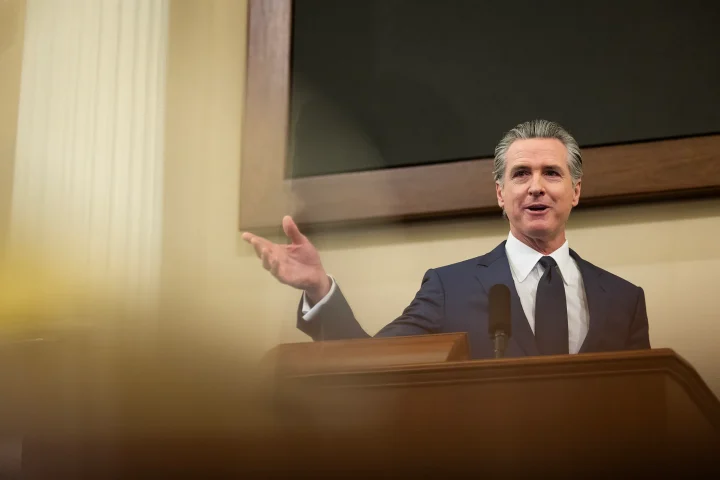
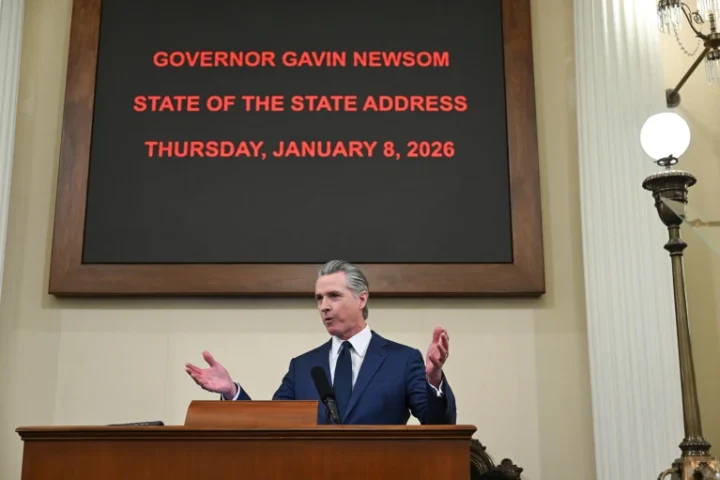
Governor Gavin Newsom confirmed on January 14 that California would not comply with Louisiana’s extradition request involving Dr. Rémy Coeytaux, a physician based in Northern California. The decision underscores the widening divide between states that strictly restrict abortion and those that have enacted legal protections—often referred to as “shield laws”—for abortion providers.
The Case at the Center of the Dispute
Louisiana authorities allege that Dr. Coeytaux prescribed and mailed abortion pills to a woman in Louisiana in October 2023 after she accessed a telemedicine abortion service. Prosecutors say the medication included mifepristone and misoprostol, drugs commonly used together for medication abortions.
The indictment was announced by Louisiana Attorney General Liz Murrill, who accused the doctor of violating Louisiana’s near-total abortion ban. Under state law, abortion is prohibited in most circumstances, and officials argue that sending abortion pills into the state constitutes a criminal offense.
Louisiana officials have framed the case as a public safety issue, asserting that mailing abortion drugs bypasses medical oversight and endangers women’s health.
California’s Legal Rationale
In rejecting the extradition request, Governor Newsom cited executive actions and state laws adopted after the U.S. Supreme Court overturned Roe v. Wade in 2022. California has since passed a series of shield laws designed to protect healthcare providers from out-of-state investigations or prosecutions related to abortion care that is legal within California.
Under these laws, California authorities are barred from cooperating with other states seeking to penalize doctors for providing abortion services that comply with California law. The governor’s office said both federal and state law give Newsom discretion to deny extradition when the alleged conduct occurred entirely within California’s borders.
California officials maintain that because the prescription and mailing of the medication occurred in California—where abortion remains legal—the state has no obligation to enforce Louisiana’s abortion statutes.
Telemedicine and Cross-State Abortion Access
Court filings indicate that Dr. Coeytaux works with Aid Access, a Europe-based telemedicine organization that provides abortion pills by mail in all 50 U.S. states. The group has become a focal point in the national abortion debate, particularly in states with strict bans.
Telemedicine abortion services expanded significantly after 2022, allowing patients in restrictive states to access medication abortion without traveling. Supporters argue this improves access to care, especially for low-income or rural patients. Critics, including Louisiana officials, argue it undermines state authority and medical regulation.
Louisiana’s Response and Broader Backlash
Attorney General Murrill condemned California’s refusal, calling it an alarming signal that some states are willing to shield individuals from accountability. Louisiana officials argue that abortion occurs where the patient is physically located, not where the medication is prescribed or shipped from, and therefore falls under their criminal jurisdiction.
This disagreement highlights a core unresolved legal question: which state’s laws apply when medical services cross state lines digitally or by mail?
Not an Isolated Case
This is the second time Louisiana has attempted to enforce its abortion ban against an out-of-state physician. In early 2025, a Louisiana grand jury indicted New York-based Dr. Margaret Carpenter over similar allegations. That case was blocked after a New York judge dismissed related legal actions under New York’s own shield law.
Several states—including California, New York, Colorado, Washington, and much of New England—have enacted shield laws to protect abortion providers regardless of where their patients live. Conversely, states such as Louisiana and Texas have moved aggressively to test the limits of enforcement beyond their borders.
National Implications
Legal experts say the growing number of cross-state abortion disputes could eventually force federal courts—or even the U.S. Supreme Court—to weigh in on jurisdiction, extradition, and interstate enforcement of abortion laws.
At stake is not only abortion access, but also broader questions about state sovereignty, telemedicine, and whether states can criminalize actions that are legal elsewhere.
What Happens Next
For now, Dr. Coeytaux remains in California and is protected by the state’s shield laws. Louisiana officials have not ruled out further legal action, including civil lawsuits or federal appeals.
As abortion policy continues to diverge sharply across the United States, cases like this illustrate how the post-Roe landscape is increasingly shaped by interstate conflict—turning doctors, patients, and governors into central figures in a nationwide legal showdown.