Eaton Fire Sparks Debate Over Abandoned Power Lines and Utility Regulations
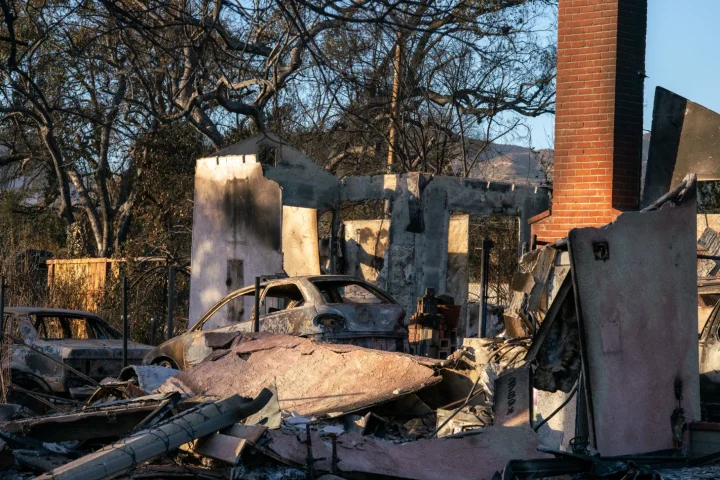
The Eaton fire tragically claimed 19 lives and destroyed thousands of homes. The fire was traced to an old transmission line in Altadena, highlighting the dangers of abandoned power lines. This event reveals how outdated infrastructure could have been removed earlier under proposed regulations that were weakened due to industry pressure.
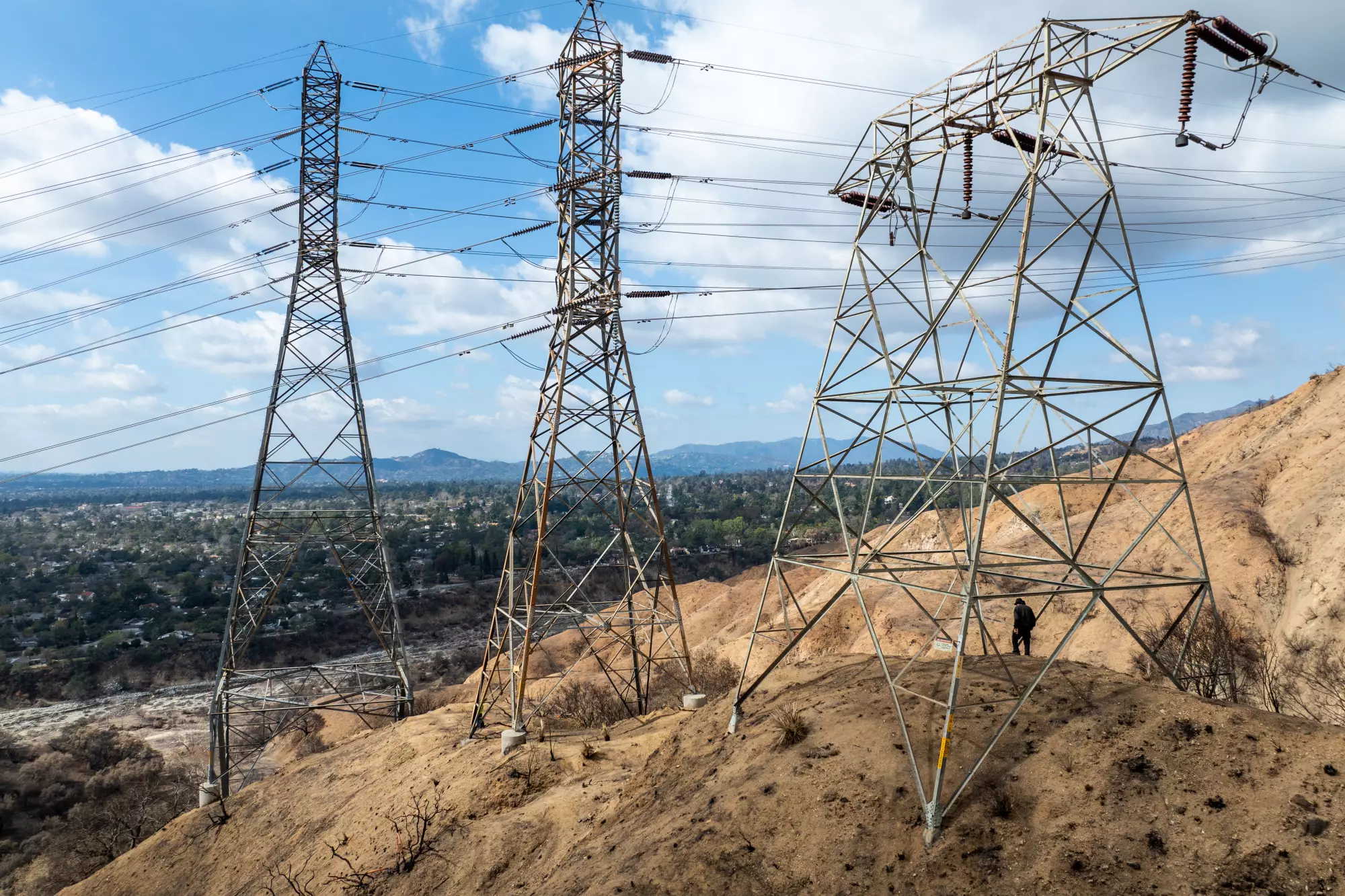
The Mesa-Sylmar transmission line, owned by Southern California Edison (SCE), had not been active since 1971. Yet, it remained in place and may have sparked the Eaton fire after it was re-energized. In 2001, state regulators proposed a rule to remove abandoned lines, but fierce opposition from utilities led to a weaker regulation.
A Missed Opportunity: The 2001 Proposal
In 2001, the California Public Utilities Commission (CPUC) proposed a rule to remove abandoned transmission lines unless utilities could prove future use. However, Southern California Edison and other utilities lobbied against the rule. The utilities argued that removing old lines would be too costly.
The rule was eventually watered down. Utilities could keep old lines in place as long as executives believed they could be used in the future. This change created a loophole that allowed dangerous, unused lines to remain up indefinitely.
Read Also
Unum: The Anonymous Book with a Bold Plan to Reunite the United States
California Daylighting Law: What You Need to Know
Failure to Act and the Aftermath
Raffy Stepanian, a former CPUC safety team member, believes that the Eaton fire could have been prevented with stronger regulations. Stepanian, now retired, lives in Altadena and saw how abandoned power lines can lead to disaster. He explained how utility companies influenced the rule changes that weakened safety protections.
SCE kept the Mesa-Sylmar transmission line in place, despite the line being inactive for more than 50 years. They argued that it could be needed in the future, but this reasoning raised safety concerns. Stepanian said, “This fire could have been prevented.”
Utility Defenses and Tariff Concerns
Southern California Edison defended its decision to leave the Mesa-Sylmar line standing. The company stated that the line was kept “inactive but available” in case of future need. This reasoning did not sit well with those who argued that such lines posed safety risks.
The company also faced criticism over the rising tariff costs. Edison and other utilities have continued to maintain dormant power lines while failing to address the safety hazards they create. The California Public Utilities Commission (CPUC) has faced growing scrutiny for allowing utilities to maintain dangerous infrastructure.
The Continuing Danger of Abandoned Power Lines
Abandoned power lines have been linked to other wildfires in California. In 2019, the Kincade fire in Sonoma County was traced to an abandoned line owned by Pacific Gas and Electric (PG&E). The fire, which destroyed hundreds of homes, was caused by an idle line that became energized. Edison currently has 465 miles of dormant transmission lines, some of which are kept secret.
Lack of Regulation and Oversight
The CPUC has failed to properly monitor abandoned power lines. During a recent hearing, Rachel Peterson, executive director of CPUC, admitted that there is no centralized database for inactive lines. There is no clear timeline for their removal, leaving safety up to utilities’ discretion.
In response to questions from lawmakers, Peterson stated, “There’s no timeline” for removing abandoned lines. This lack of oversight leaves communities vulnerable to the dangers of dormant infrastructure.
A Call for Stricter Regulation
Experts believe the CPUC must enforce stronger regulations on abandoned power lines. There is a pressing need to remove unused lines promptly before they cause another disaster. Stricter rules should require utilities to remove old lines and ensure that remaining infrastructure is regularly inspected and maintained.
To prevent future tragedies, California regulators must act. They must revise the current rules to prioritize safety and hold utility companies accountable for the risks associated with abandoned infrastructure.