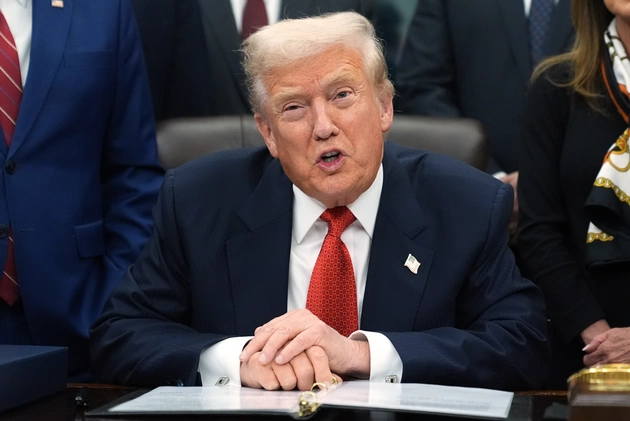
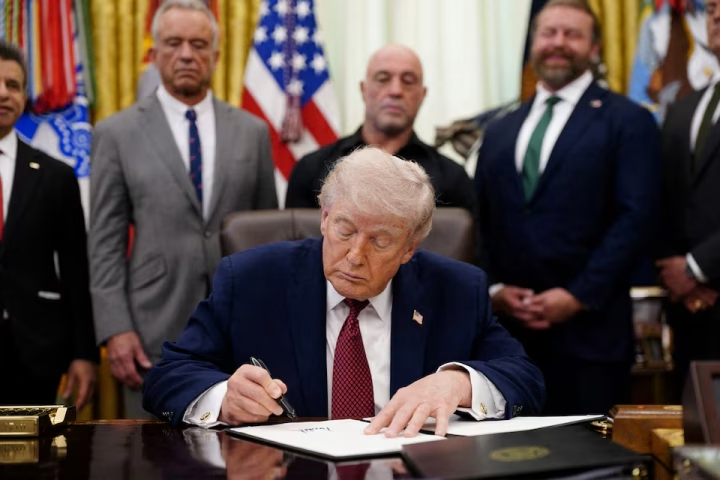
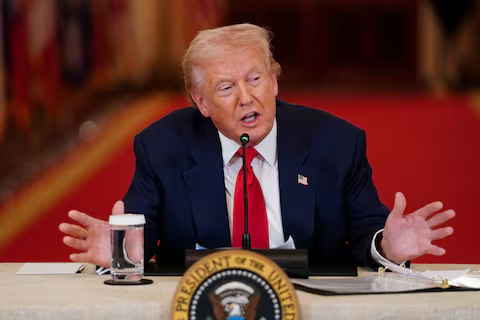
The U.S. Senate moves to reopen government after days of tension, closed offices, and growing anxiety among federal workers and citizens. The deal reflects intense negotiations that unfolded behind closed doors as leaders searched for a way to fund key agencies and avoid deeper economic damage. For many Americans, the vote is not just about politics; it is about paychecks, services, and confidence in national leadership.
How the Funding Standoff Emerged
The standoff began with deep disagreements over spending priorities, border security, and long-term deficit control. Lawmakers in both parties tried to use the funding bill to advance wider policy goals, turning a routine budget process into a high-stakes confrontation. As temporary funding expired, agencies received shutdown notices, and contingency plans took effect.
Several key committees traded proposals, amendments, and counteroffers. Each side wanted to claim it was defending taxpayers, yet the repeated delays signaled how polarized the debate had become. Public frustration rose as people watched elected officials argue while basic government operations hung in the balance.
Inside the Senate’s Late-Night Deal
The breakthrough came when Senate leaders accepted a compromise that funds agencies for a set period while broader disputes continue. The bill combines short-term appropriations with targeted protections for critical programs such as air traffic control, food safety inspections, and national security operations.
To reach the deal, negotiators trimmed some controversial riders and postponed the most divisive policy fights. They focused instead on immediate stability: keeping workers paid, ensuring benefits continue, and avoiding new shocks to the economy. The compromise does not solve every disagreement, but it creates breathing room for more structured talks.
Impact on Federal Workers and Services
For federal employees, the Senate vote offers long-awaited relief. Many had prepared for delayed salaries, frozen travel, and uncertainty about their next paycheck. Agencies had drafted furlough plans, identified essential staff, and warned contractors about possible suspensions.
With the new funding measure, most of these plans can be shelved. Employees expect their pay to resume normally, though some may still face delays as payroll systems catch up. Citizens should see passport processing, veterans’ services, and benefit inquiries return to more predictable timelines. Airports, ports of entry, and federal courts will continue working without the strain of extended emergency schedules.
Economic and Market Reactions
Financial markets often react quickly to shutdown threats because they signal deeper fiscal and political risks. Prolonged closures can reduce consumer confidence, slow government-related spending, and disrupt sectors that depend heavily on federal contracts.
By moving to reopen government, the Senate sends a message of short-term stability to investors, rating agencies, and international partners. Businesses that serve federal facilities, from local restaurants to security firms, can plan ahead with more certainty. However, repeated budget crises still raise questions about long-term fiscal discipline and the reliability of U.S. governance.
Political Stakes for Both Parties
The vote to reopen government carries political consequences for every senator. Some lawmakers emphasize their role in preventing further hardship, highlighting their support for compromise and responsible budgeting. Others argue that the deal concedes too much and fails to address core issues such as spending growth or border enforcement.
Both parties will use the episode in upcoming campaigns. One side will claim it protected essential programs and workers, while the other will insist it defended taxpayers from waste. Voters will judge which narrative feels more authentic, especially those directly affected by furlough threats and service delays.
What the Deal Actually Funds
The agreement directs money to keep federal departments running at current or slightly adjusted levels. It covers operations in defense, health, transportation, education, and other vital areas. In many cases, the bill simply extends existing allocations, avoiding large new programs or dramatic cuts.
Some limited increases may appear in areas with urgent needs, such as disaster response or critical infrastructure repairs. At the same time, spending caps and reporting requirements aim to reassure lawmakers worried about rising deficits. The structure reflects a careful balance between providing continuity and signaling restraint.
Remaining Risks and Possible Future Clashes
While the Senate move to reopen government reduces immediate danger, it does not eliminate the risk of future showdowns. Deadlines will return when the temporary funding expires, bringing old disagreements back to the surface. If deeper negotiations fail, Congress could once again approach the edge of a shutdown.
To avoid another crisis, legislators must work through regular budget processes, hold detailed hearings, and agree on realistic long-term targets. Stable multi-year plans would reduce the temptation to use shutdown threats as leverage. Citizens and businesses are likely to push for this predictability after living through repeated periods of uncertainty.
What This Means for Ordinary Americans
For most people, the Senate’s decision will show up in small but important ways. Social security checks will arrive on time, national parks will stay open, and key safety inspections will continue. Families who rely on federal programs can plan their budgets without fearing sudden interruptions.
At the same time, the episode reminds Americans how closely their daily lives connect to complex negotiations in Washington. Each funding debate carries real-world consequences, far beyond the walls of the Capitol. The hope now is that this move to reopen government marks a step toward more stable and responsible budgeting in the months ahead.
U.S. Senate moves to reopen government, ending shutdown threats with a bipartisan funding deal, stabilizing agencies and protecting essential services
U.S. Senate moves to reopen government, bipartisan deal, stop shutdown, restore services, stabilize budgets, protect workers, rebuild public trust now