California Wealth Tax Debate has intensified as voters weigh the potential economic consequences of a proposed tax targeting the state’s wealthiest residents. Supporters argue that the measure could address rising inequality and help fund critical public services. However, critics warn that the proposal could damage the state’s financial stability by encouraging wealthy individuals to relocate outside California.
Public concern about taxation already runs deep among voters, creating fertile political ground for opponents of the proposal. Surveys suggest many Californians remain skeptical about whether a wealth tax would function as intended. Some voters worry that such a policy could ultimately shrink the state’s tax base rather than expand it. This skepticism reflects broader national discussions about taxation, government spending, and the role of wealth redistribution in modern economies.
Political analysts note that opposition campaigns often benefit when voters already harbor doubts about a policy proposal. Instead of introducing entirely new concerns, opponents can highlight existing anxieties and amplify them through messaging campaigns. Within the ongoing California Wealth Tax Debate, critics argue that the tax could trigger unintended consequences for the state economy, particularly if high-income individuals choose to move their assets or residency elsewhere.
Supporters of the proposal dismiss these arguments as exaggerated political tactics. Advocates emphasize that wealth inequality continues to widen and that existing tax systems place disproportionate pressure on middle-class households. From their perspective, a carefully structured wealth tax would ensure that the richest residents contribute a fair share toward maintaining public services and social programs.
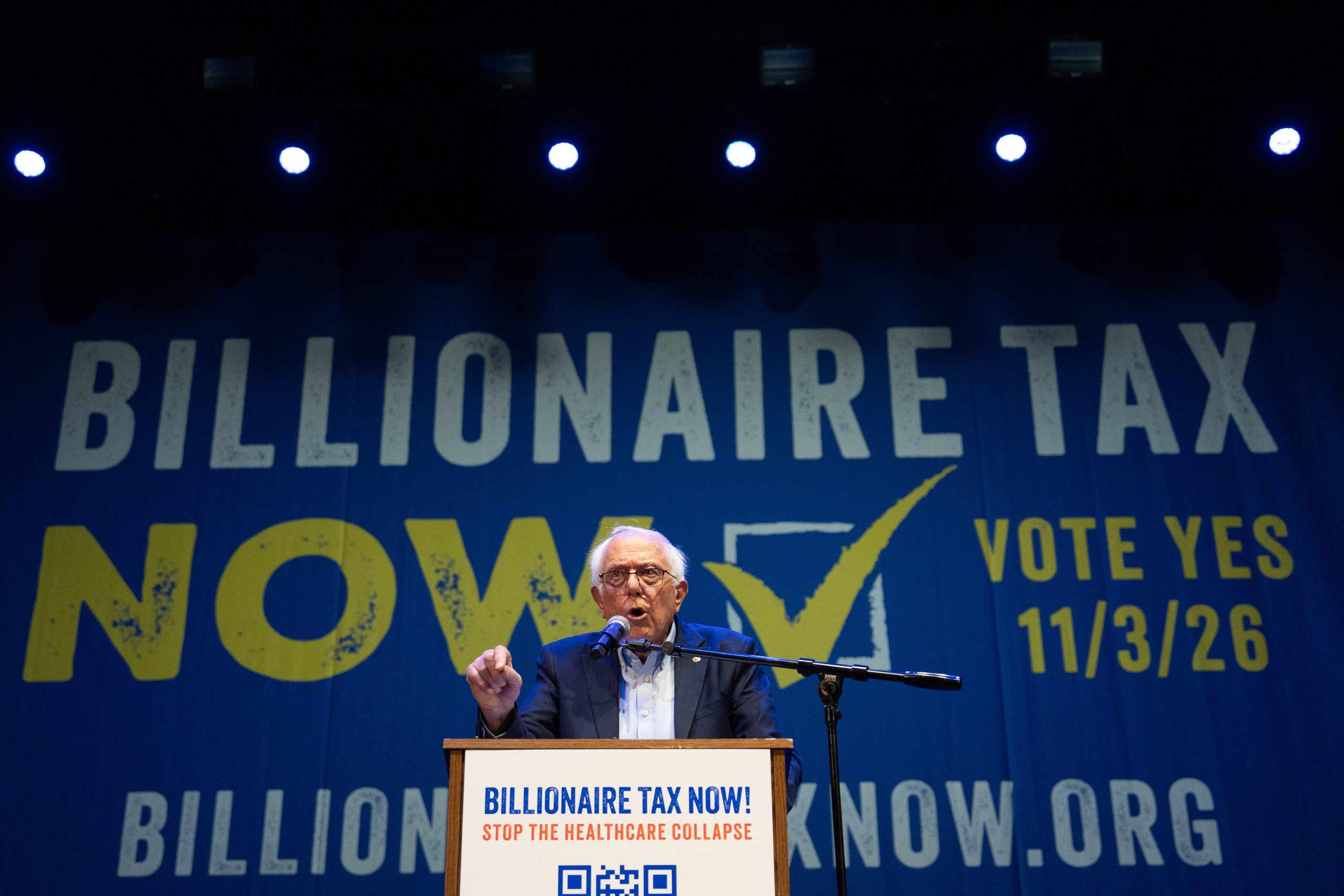
The debate occurs during a period of heightened political tension surrounding healthcare funding and federal spending policies. Many supporters frame the wealth tax as a mechanism to protect essential services that could face reductions due to federal budget decisions. In this context, the measure represents more than a fiscal policy proposal. Instead, advocates view it as part of a broader effort to preserve social safety nets and public infrastructure.
Despite these arguments, polling data suggest supporters will need to address persistent concerns among voters. Even those who express frustration with wealth inequality often question whether the proposed policy would achieve its intended goals. Within the broader California Wealth Tax Debate, skepticism frequently centers on whether wealthy individuals could avoid taxation by relocating assets or changing residency status.
Examples of wealthy individuals exploring financial relocation strategies have fueled this narrative. Reports indicate that certain high-profile entrepreneurs and investors have considered moving financial holdings outside California. These developments strengthen arguments from opponents who claim that the tax could accelerate capital flight from the state.
To counter these concerns, supporters emphasize provisions within the proposal designed to prevent tax avoidance. Advocates argue that the initiative includes safeguards aimed at limiting opportunities for individuals to escape taxation by moving assets or altering residency arrangements. They contend that the policy structure anticipates these challenges and incorporates mechanisms to ensure compliance.
Nevertheless, the California Wealth Tax Debate continues to evolve as political campaigns on both sides refine their strategies. Supporters must reassure voters that the tax will generate meaningful revenue without damaging the state’s economic competitiveness. Opponents, meanwhile, focus on reinforcing concerns about potential economic consequences.
Economic competitiveness represents one of the most frequently discussed issues within the debate. California already faces criticism from some business leaders regarding regulatory complexity and high costs of living. Critics argue that additional taxation could strengthen incentives for entrepreneurs, investors, and companies to relocate to states with lower tax burdens.
Supporters respond that California’s economy remains one of the most dynamic and innovative in the world. The state hosts a vast technology sector, major research institutions, and global entertainment industries. Advocates argue that these economic advantages make it unlikely that wealthy residents would abandon California solely because of a wealth tax.
Another factor shaping the California Wealth Tax Debate involves perceptions of fairness within the tax system. Many voters believe that the wealthiest households benefit disproportionately from economic growth while contributing relatively less in taxation compared with middle-income families. Proponents argue that a wealth tax addresses this imbalance by ensuring that high-net-worth individuals share more responsibility for funding public goods.
However, critics counter that wealth taxes can create administrative challenges and enforcement difficulties. Determining the value of complex financial assets, business ownership stakes, and international holdings often requires detailed assessments that may prove difficult for tax authorities to implement consistently. These logistical concerns contribute to voter hesitation when evaluating the proposal.
Political strategists also emphasize the importance of messaging in shaping public opinion. When voters lack detailed knowledge about a policy, their perceptions often depend heavily on how campaigns frame the issue. Within the California Wealth Tax Debate, both sides seek to influence voters by highlighting different economic narratives.
Supporters stress the need to address widening economic inequality and maintain funding for essential services. Opponents emphasize the potential risks of capital flight, economic instability, and shrinking tax revenue. The outcome of the debate may ultimately depend on which narrative resonates most strongly with voters.
Recent polling efforts provide insight into these competing perspectives. Surveys conducted among registered voters reveal a complex mixture of concerns and priorities. Many respondents express frustration with economic inequality but also remain cautious about introducing new taxes that could produce unintended financial consequences.
Researchers conducting the surveys emphasize that voter attitudes toward taxation remain nuanced. While some voters strongly support policies targeting extreme wealth concentration, others prioritize economic stability and fiscal predictability. These competing priorities create a challenging environment for policymakers seeking to implement ambitious tax reforms.
As the California Wealth Tax Debate progresses, political leaders and advocacy groups will continue presenting their arguments to voters. Campaign messaging, economic data, and public perceptions of fairness will all shape the outcome of the proposal.
Ultimately, the debate reflects broader questions about the future of taxation in modern economies. Policymakers across the world increasingly grapple with how to address inequality while maintaining economic growth and competitiveness. California’s discussion of a wealth tax represents one of the most visible examples of this global policy challenge.