The fragile state of California’s energy infrastructure has become a central concern as the state pursues its ambitious Net Zero emission goals. While Governor Gavin Newsom and other state leaders champion wind and solar power, these sources primarily generate electricity. However, the physical reality of modern society rests on a foundation of hydrocarbons. Physical mobility for sectors such as trucking, mining, and military operations depends on liquid fuels due to their unmatched energy density. As of early 2026, electrification has yet to offer credible substitutes for these heavy-duty domains, particularly during supply disruptions.
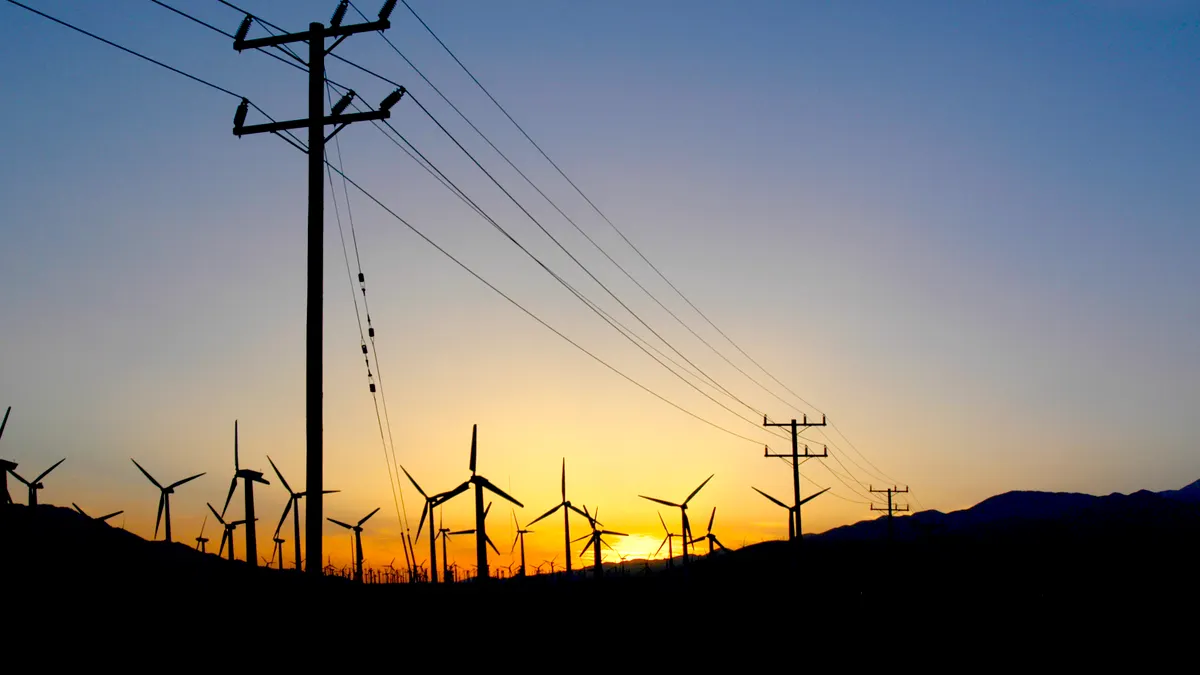
A core issue contributing to the fragile state of California’s energy infrastructure is the intermittent nature of renewable energy. Wind and solar are structurally narrow; they do not produce the chemical molecules needed for industrial feedstocks. Furthermore, the construction of renewable infrastructure itself depends on fossil fuels. Storage technologies remain expensive and have not yet reached the scale required to replace the full spectrum of energy needs. Without a reliable “all of the above” approach, the state risks a significant energy gap.
The reliance on petrochemicals extends far beyond fuel for cars. California’s healthcare, transportation, and industrial sectors utilize over 6,000 products derived from oil and natural gas. Even electric vehicles are largely composed of oil-based materials, including electronics, wiring, and specialized tires. No current renewable technology can replicate these essential materials. Consequently, policies that focus solely on EVs neglect the broader supply chain required for aircraft, ships, and medical facilities.
Data shows that California is increasingly dependent on imported crude oil, a trend that exacerbates the fragile state of California’s energy infrastructure. Domestic production has declined sharply due to drilling restrictions, pushing foreign imports to over 70% of total consumption. In February 2026, the state remains isolated from the broader U.S. pipeline network. There are no crude oil pipelines crossing the Sierra Nevada mountains. This geographic isolation makes the state a “fuel island,” entirely dependent on maritime tankers.
The refining sector is also contracting rapidly. The Phillips 66 Los Angeles Refinery closed in late 2025, and the Valero Benicia Refinery is scheduled to idle by April 2026. These closures remove nearly 20% of the state’s refining capacity. When capacity drops, California must import finished gasoline and diesel from overseas markets like India and South Korea. This shift makes local fuel prices vulnerable to global shipping costs and geopolitical shocks. Truly, the loss of in-state refining depth leaves no “slack” in the system to handle emergencies.
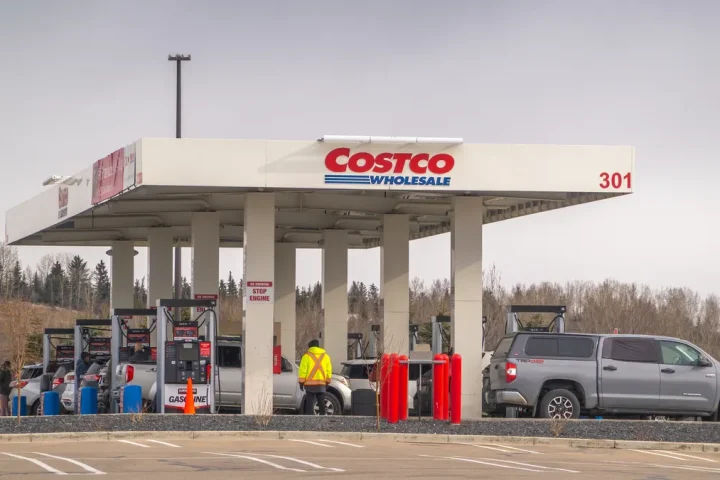
Daily demand for transportation fuels in the state remains massive despite the green transition. California consumes approximately 13 million gallons of jet fuel and 42 million gallons of gasoline every single day. The ports of Los Angeles and Long Beach require steady supplies of diesel and bunker fuel to keep global trade moving. If crude oil supplies are disrupted, the logistical backbone of the state could face immediate paralysis. This highlights why the fragile state of California’s energy infrastructure requires a more balanced regulatory strategy.
Ultimately, policymakers must address the gap between environmental goals and supply chain realities. While global competitors like China expand their refinery capacity to secure future materials, California’s infrastructure continues to shrink. Securing affordable and reliable energy requires a pragmatic integration of renewables and hydrocarbons. Without a clear plan to maintain the petroleum supply chain while transitioning, the state’s economic and national security will remain at risk.
READ: California’s Proposed Wealth Tax Sparks Exodus to Texas